

Creating an breathtaking outdoor area is a craft that blends imagination, usability, and a profound knowledge of nature. Landscape design is not just about installing blossoms and seeding grass; it’s about integrating nature seamlessly with our artificial surroundings to create an inviting and harmonious aesthetic. No matter if you have a large backyard or a small front yard, the principles of landscape design can convert your outdoor areas into stunning extensions of your home.
In this article, we will explore fundamental ideas and techniques that can improve your landscape design, from understanding modern and traditional styles to including eco-friendly practices. You will find practical tips for maximizing limited spaces, choosing the perfect plants, and joining hardscaping elements that compliment your overall design. Regardless if you are a beginner looking to start your landscaping journey or an experienced gardener seeking inspiration, the art of integrating nature is accessible to everyone. Come along as we delve into the essentials of landscape design that can turn your outdoor dreams into reality.
Essential Gardening Planning Tips
Designing a beautiful backyard begins with a careful planning plan that combines usefulness with aesthetics. One essential concept is to integrate various plant types that thrive in your local environment. Using a mix of perennials, annuals, and evergreen plants can ensure all-year engagement and minimize maintenance. Investigating https://rentry.co/8af2b6a9 but also establishes a landscape that seems in harmony with the natural environment.
An additional important aspect of landscape design is the use of hardscaped components like patios, walkways, and structural walls. These features provide form and can shape outdoor living spaces. Careful positioning of stone paths and sitting spaces invites discovery and relaxation, improving the overall utility of your backyard. Think about adding components like fireplaces or kitchen areas that facilitate social gatherings and make your outdoor space more enjoyable.
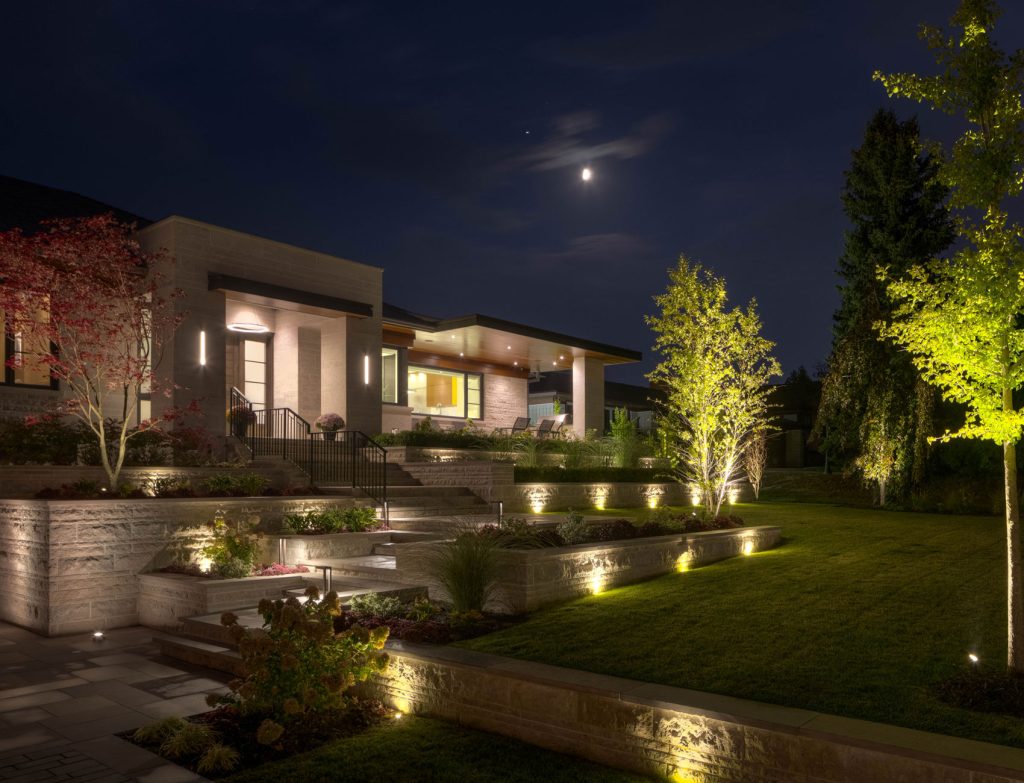
Lighting plays a critical role in landscape design, as it can dramatically alter the ambiance of your environment after the sun goes down. Strategically situated lights can highlight key elements, such as plants or pathways, while creating a inviting and charming atmosphere. Using different lighting techniques, such as up-lighting and down-lighting, allows you to create different moods and highlights your landscape's charm both day and in the evening.
Eco-friendly and Affordable Strategies
Designing a beautiful outdoor space doesn't have to be expensive or negatively impact the ecosystem. One eco-friendly method is to choose local plants that are well-adapted to your local climate and soil types. These plants generally require minimal water and care compared to non-native species, making them ideal for a cost-effective landscape. By choosing native varieties, you also benefit local wildlife and enhance biodiversity in your area.
Another viable method for a cost-conscious landscape design is to add hardscaping elements, such as stone walkways, masonry walls, or patios made from reclaimed materials. These features can decrease the amount of grass space that needs regular upkeep, resulting in reduced maintenance costs over the long run. Furthermore, hardscaping can provide visual appeal and create functional outdoor environments for relaxation and entertainment.
Adopting eco-friendly practices in your landscaping project is also a practical option to cut expenses. For instance, recycling organic waste can enrich your soil without the need for costly fertilizers. Additionally, looking into xeriscaping, which focuses on drought-resistant plants and efficient irrigation techniques, can significantly lower utility bills. By embracing these sustainable and budget-friendly strategies, you can design a stunning outdoor space that is both environmentally responsible and cost-effective.
Tips for Choosing the Right Landscape Style
In the process of selecting a landscape style, consider the overall architecture of your home. The design should enhance the existing features and colors of your house. For example, a contemporary home may benefit from sleek lines and simple designs, while a historic home might shine with traditional motifs and lush gardens. Pay attention to the shapes and materials used in your home’s construction, as they can guide you towards a harmonious landscape design.
Another important aspect to keep in mind is your personal preferences and lifestyle. Consider about how you want to enjoy your outdoor space. If you enjoy having gatherings, a elegant landscape with outdoor seating and dining areas might be ideal. Conversely, if you prefer a tranquil oasis for rest, focus on creating a serene environment with organic features like water features or shaded seating. Your landscape should mirror your needs and provide a space that you look forward to spending time in.
Lastly, pay attention to the climate and environmental conditions of your area. Different regions offer different challenges, such as soil type, sunlight exposure, and water availability. Choose a style that can flourish in your specific environment. Incorporating native plants and eco-friendly practices will not only enhance the viability of your landscape but will also ensure that you have a vibrant and thriving garden that can endure with reduced care.