

Obstructed drains are some of the annoying household problems that can swiftly escalate into a nightmare for homeowners. You may know about the all-too-common experience of standing in a pool of water while taking a shower or observing that kitchen sink water takes a long time to drain. While some may quickly reach for a bottle of drain cleaning chemicals or reach for the phone to call a plumber, there are numerous secrets about drain clogs that many professionals may not reveal. Understanding these can enable you to tackle drain problems more efficiently and even prevent them from occurring in the initial stages.
In this article, we will investigate the 30 typical causes of clogged drains and how to prevent them, certain warning signs to look out for, and the pros and cons of DIY versus professional unclogging methods. We will also delve into home remedies for removing clogs, the harmful effects of chemical cleaners, and crucial upkeep tips every home owner should understand. From problems such as grease deposits to the concealed risks of tree roots, we will uncover the detailed methods that can help you keep your drains flowing smoothly. Whether you're handling recurring issues or just trying to care for your plumbing system, you're in for some valuable insights that can aid you in saving time, money, and frustration.
Typical Causes of Blocked Drains
One of the the common causes of clogged drains is the buildup of strands of hair. In restrooms, hair strands often mix with soap scum and other debris, leading to persistent blockages. Frequently removing hair from drain covers and using drain catchers can significantly minimize the risk of clogs caused by hair.
Another common cause is grease accumulation, particularly in kitchen sinks. When grease from cooking is washed down the drain, it can harden and block the pipe over time. To prevent this, consistently dispose of cooking oil and fatty substances in the trash rather than down the sink, and think about using hot water when washing away any residues.
Moreover, foreign objects unintentionally falling into drains, such as toys, toothbrushes, or cleaning supplies, can interfere with the flow of water. Keeping a close eye on young children during bath time and ensuring that only safe items are in the vicinity of drains can help mitigate this issue. Routine checks and proper disposal practices can ensure your drains in good condition.
DIY vs. Expert Services
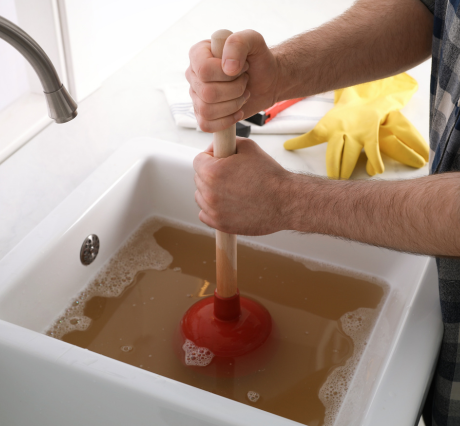
When it comes to unclogging drains, many householders may consider handling the problem themselves. DIY methods often include using tools like plungers or drain snakes, as well as home remedies such as sodium bicarbonate and acetic acid. These methods can be effective for small clogs and can help you save money. However, it’s crucial to recognize the limitations of DIY approaches. If a clog is stubborn or deeply rooted in the plumbing system, it may require a more advanced method, which DIY methods may not provide.
On the other hand, expert plumbing contractors come equipped with specialized tools and expertise that can address severe blockages and underlying issues. Professionals often use techniques like hydro jetting and drain cameras to diagnose and resolve problems that homeowners cannot readily access. This not only ensures that the clog is effectively removed but also helps detect potential future issues that could lead to further blockages, providing a long-term solution rather than a short-term fix.
In the end, the choice between DIY and professional solutions depends on the severity of the clogged drain and your comfort level with home repair. While DIY approaches can be effective for minor clogs, knowing when to call a professional can help you avoid time, stop damage to your plumbing, and ensure a thorough and lasting resolution to your drainage issues.
Care and Maintenance Tips
To keep your drains flowing smoothly, regular upkeep is crucial. Start by examining your wash areas, baths, and additional drains for signs of slow drainage or odd odors. Maintain drain covers and screens frequently to avoid hair and gunk from entering the pipes. In the culinary space, be careful about what you send down in the sink; verify food particles are rinsed off and do not putting fat down the drain. Setting up a routine maintenance schedule can assist maintain flow and avoid clogs.
Using organic remedies frequently can also help in keeping your drains clear. A mixture of sodium bicarbonate and vinegar can dissolve small blockages and remove odors. Pouring hot water down the drain occasionally can help remove buildup, notably in culinary sinks. For bathroom drains, try a netted screen to trap hair prior to it enters the pipe. These easy practices can significantly reduce the likelihood of serious blockages.
Lastly, if you notice recurring issues, it might be time to check the complete health of your pipes system. Drain Unblocking Cockermouth Cumbria in regular expert maintenance can help spot potential problems before they escalate. Using drain cameras can provide a thorough view of the interior of your pipes and aid detect hidden issues. Emphasizing prevention and maintenance not only saves expenses in the end but also improves the lifespan and performance of your drainage system.