

Boat canopies are often ignored, yet they play a important role in safeguarding your precious watercraft from the environment. Whether it's the blistering sun, heavy rain, or even frozen precipitation, the right boat cover acts as a barrier, ensuring your asset remains in top condition. As boating fans, we comprehend the thrill of being out on the water, but it's equally vital to consider how to protect our crafts when they are not in use. In this manual, we will explore deep into the world of boat covers, examining everything from the materials used to the best practices for installation and maintenance.
Choosing the right boat cover can seem overwhelming with so many choices available, but it doesn't have to be. This thorough resource will help you guide through the various choices, including tailored versus generic covers, how to measure your boat for a ideal fit, and the relevance of factors like UV protection and breathability. By understanding these elements, you can ensure that your boat remains safe and is aesthetically pleasing for years to come. Let's start this journey to explore why boat covers truly are the hidden champions of watercraft protection.
Choosing the Perfect Boat Cover
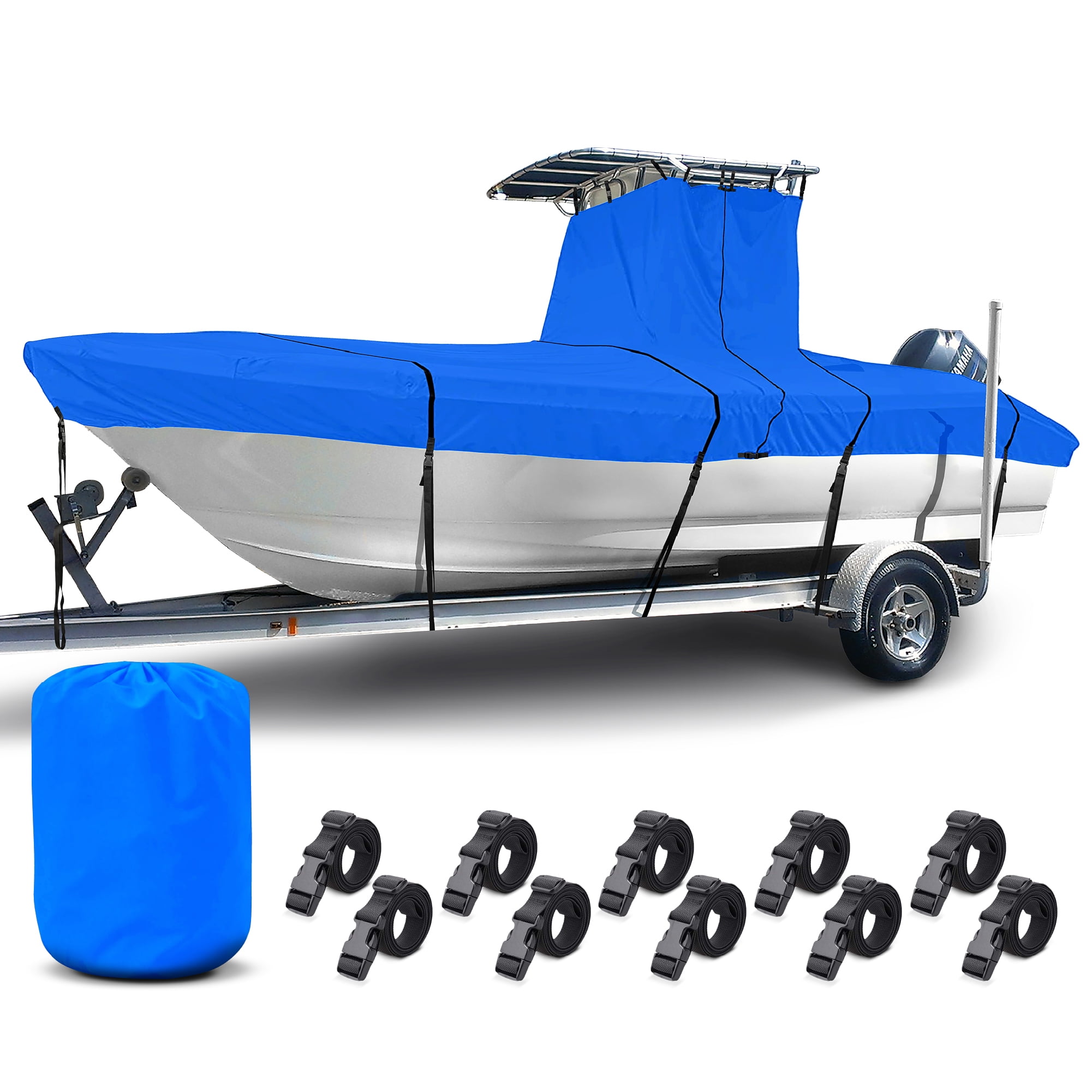
In the process of selecting the appropriate boat cover, the primary step is to grasp your specific needs. Reflect on factors such as the kind of boat you own, how you employ it, and the environments it will be housed in. Whether your boat is a trailerable fishing vessel, a luxurious yacht, or a cozy pontoon, each requires a tailored approach. Recognizing your boat's dimensions and design features is crucial for selecting a cover that ensures the best protection.
Another key factor in selecting the right cover is the material. Boat covers are usually made from a range of materials, including canvas, polyester, and vinyl, each with its own set of advantages. For instance, canvas covers are known for their air permeability and durability, while polyester offers UV resistance and is easy to handle. Considering the climate conditions you face, such as high UV exposure or harsh weather, will help you select a material that enhances your cover’s lifespan and performance.
Lastly, reflect on the fit of the cover – if to go for a bespoke or standard option. Custom covers are designed specifically for your boat’s dimensions, ensuring a snug fit that minimizes movement and water pooling. On the contrary hand, universal covers may help you save you money but frequently compromise some durability and protection levels. Balancing the pros and cons of each will enable you to make an informed decision that secures your boat against the elements.
Heading Three Understanding Boat Cover Materials Choosing the right material for your vessel protection is crucial for guaranteeing optimal protection and durability. Common fabrics include poly fabric, synthetic fabric, and canvas , each offering distinct benefits. Poly fabric is known for its ability to stretch and contract, making it a fantastic option for tailored protections. Boat Cover Carnforth Lancashire , while lightweight and strong and durable, tends to be not as water-resistant unless treated . Heavy-duty fabric, a traditional choice, provides strong protection but can be weightier and requires adequate maintenance to stop fungal growth.
Another critical factor to consider is the build quality and the presence of finishes. Boat Cover Great Harwood Lancashire come with extra treatments like ultraviolet protection, water resistance, and mold inhibitors. These coatings enhance the cover's strength against harsh environmental conditions, such as extreme sunlight and rain. It's essential to choose a material that not only suits your type of vessel but also tolerates the specific climate conditions in which you will use it.
In conclusion, breathable materials should be emphasized to prevent moisture build-up , which can lead to mildew and spoilage. Look for protections marked as breathable or those that incorporate netting panels. While they may be a bit pricier, breathable protections can save you from more significant costs related to mold damage and degradation over time. Investing in the right material upfront helps in prolonging the duration of your boat cover and, ultimately , your watercraft itself.
Care and Care for Boat Covers
To secure the lifespan of your boat cover, regular maintenance is crucial. Start by tidying the cover following every use. Eliminate any debris such as foliage or soil, and clean it with mild soap and water. Steer clear of strong chemicals or abrasive materials that can damage the fabric. Allow https://roberson-brink.blogbright.net/weather-the-storm-how-to-select-the-right-boat-cover-for-any-climate to dry thoroughly before storing to prevent mildew and fungus growth.
Check your cover periodically for any signs of wear, such as small rips or worn edges. If you see any damage, fix it promptly by repairing small tears with a marine-grade patch kit. For larger damages, consider consulting a specialist. Keeping your cover in good condition can significantly extend its duration and effectiveness in protecting your boat.
Correct storage of your boat cover when idle is equally important. Neatly fold it carefully to avoid creases and store it in a cool place, preferably in a breathable bag to prevent moisture buildup. Refrain from storing it in direct sunlight, as long-term exposure can degrade the material. By adhering to these maintenance practices, you can ensure your boat cover remains an effective shield for your boating equipment.