

Amidst an ever-evolving world in which land development and property ownership are integral to our daily lives, the role of surveyors becomes increasingly critical. These talented professionals merely lay the groundwork for construction projects but also make sure that property boundaries are clearly defined and upheld. For property owners, grasping what surveyors do and the importance of their work can make a considerable difference in avoiding legal disputes and ensuring compliance with regulations.
As you navigate the complexities of buying or developing property, the expertise of surveyors can pave the way for clear insights and informed decisions. From boundary surveys that stop costly disputes to advanced technologies like GPS and drone surveying that are reshaping the industry, the art and science of surveying continue to shape our landscapes. This article investigates the essential functions of surveyors, providing valuable information for those interested in land ownership, real estate transactions, or construction projects.
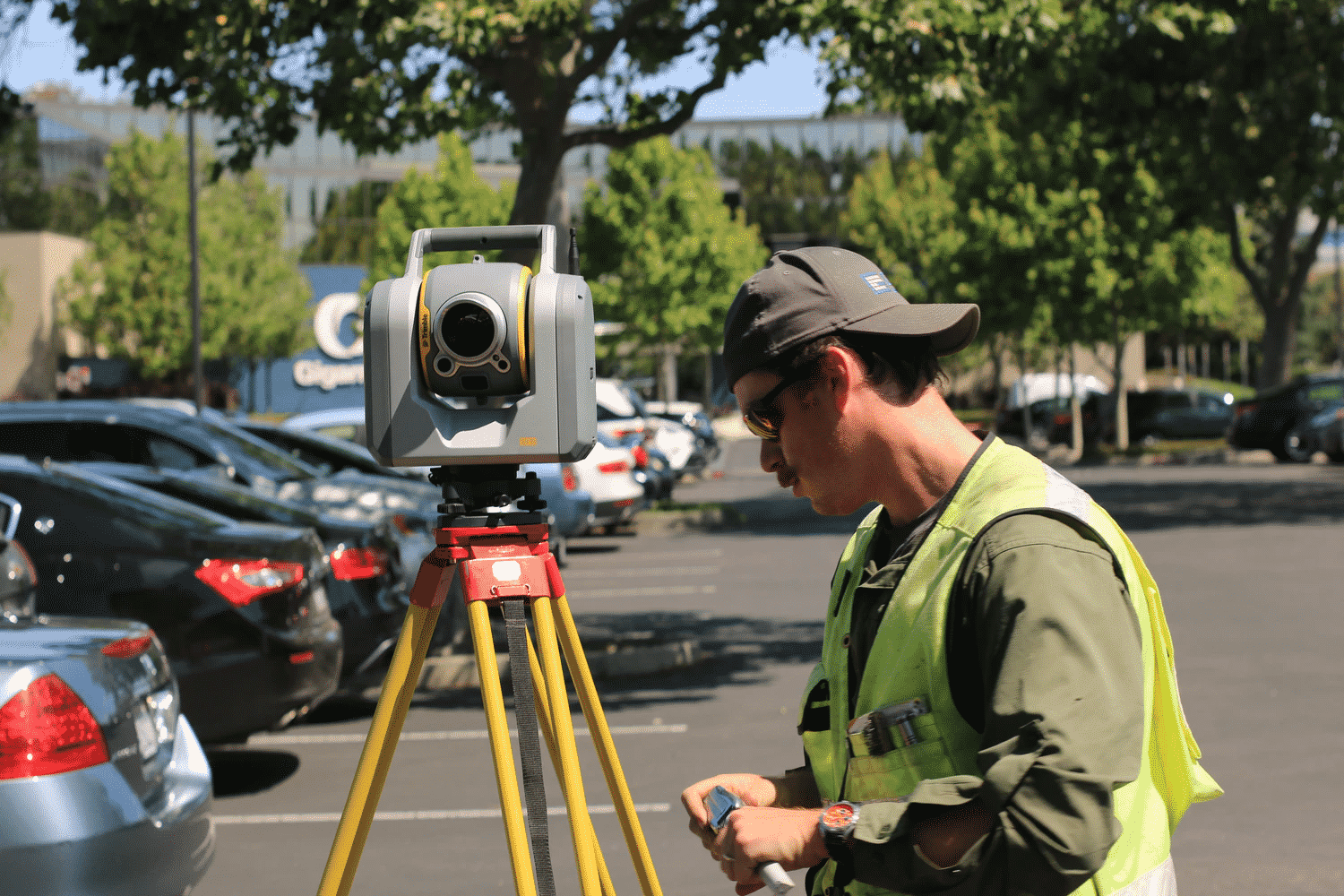
Comprehending Land Surveys
Property surveys are crucial processes in establishing land boundaries and organizing property for multiple uses. A property survey involves calculating and charting out parcels of land to provide precise details regarding its dimensions, contours, and locations compared to surrounding features. This foundational step is crucial for property owners, builders, and construction firms, ensuring clarity and correctness in land transactions and construction planning.
Several types of property assessments cater to specific needs, including boundary assessments, topographic surveys, and ALTA surveys. Each type serves a particular goal, from establishing legal property lines to analyzing topographical changes across a geography. Knowing these categories helps landowners know which survey is required for their specific circumstance, be it for buying land, settling issues, or preparing for development.
The survey process involves a blend of fieldwork, information gathering, and evaluation, culminating in a detailed report that presents findings and recommendations. Current technology, including Global Positioning System and aerial surveying, enhances the accuracy and efficiency of evaluations, making it easier for land assessors to provide trustworthy information. As real estate usage continues to evolve, surveys play a critical role in ensuring conformance with laws and facilitating successful property deals.
The Role of Surveyors in Real Estate Deals
Surveyors play a critical role in real estate dealings by providing important services that ensure all stakeholders comprehend the borders and attributes of a piece of property. When a buyer is thinking about acquiring real estate, a site survey is often one of the primary steps conducted. This evaluation clearly delineates property lines, access rights, and possible invasions, facilitating potential buyers make informed decisions. Understanding the precise measurements of the land can avoid misunderstandings and issues between adjacent owners.
In furthermore to establishing property lines, land surveyors assist in spotting possible limitations or zoning regulations that may influence the function of the property. This information is vital for interested parties who wish to develop or alter the land. By obtaining a detailed land evaluation, purchasers can evaluate the feasibility of their proposals and prevent costly litigation down the line. A thorough survey will highlight any obstacles, permitting buyers to negotiate more efficiently and ensuring adherence with municipal regulations and regulations.
In addition, the precision and credibility of a land surveyor's work can significantly influence a piece of property’s market value. Purchasers and sellers alike trust assessments to substantiate assertions about the size of the property and state. A thoroughly done evaluation serves as a strong foundation for deals, giving confidence to both sides. Ultimately, the knowledge of licensed land surveyors reinforces faith in real estate deals, paving the way for profitable transactions and smoother exchanges of property title.
Innovations in Surveying Technology Tools
The surveying industry has seen notable progress in technology over the past few years, greatly enhancing the accuracy and efficiency of land surveys. Old-fashioned methods are being replaced or complemented by advanced tools such as geolocation technology and drones, which enable land surveyors to gather data from formerly inaccessible areas with extreme precision. Check out here but also minimize the time required to complete projects, making them more economical for both professionals and property owners.
Furthermore, 3D laser scanning has revolutionized the way land surveyors capture topographical details. This technology provides highly detailed three-dimensional representations of environments and structures, giving developers a clearer understanding of their sites. The ability to produce precise 3D models greatly aids in project development and construction, helping to visualize potential complications before building begins. As the innovation continues to develop, its integration into everyday land surveying practices is forecasted to become even more common.
Moreover, the rise of data analysis software has transformed how surveyors analyze collected data. Advanced software solutions can manage vast amounts of information quickly, providing insights that were once difficult to obtain. These resources enhance judgment processes for real estate development and construction initiatives, ensuring compliance with regulatory standards. As innovations in surveying technology continue to evolve, they promise to further enhance the expertise of land surveyors and the worth they bring to property development.