

When property owners search for sustainable solutions to power their households, the process to installing solar panels has become increasingly popular. With developments in tech and a growing awareness of environmental concerns, solar energy is not just a trend but a practical choice for reducing utility bills and increasing energy efficiency. This thorough guide aims to equip you with crucial information about solar panel installation, whether you are considering it for a new home or upgrading an older property.
Starting from comprehending the cost factors to examining the practical aspects of installation, this article will walk you through all step. You will find out how solar panels can substantially reduce your energy bills, boost your home's equity, and support a greener planet. At the conclusion of this guide, you will have the materials and knowledge necessary to make an informed decision about embracing solar energy for your house.
Grasping Installation of Solar Panels
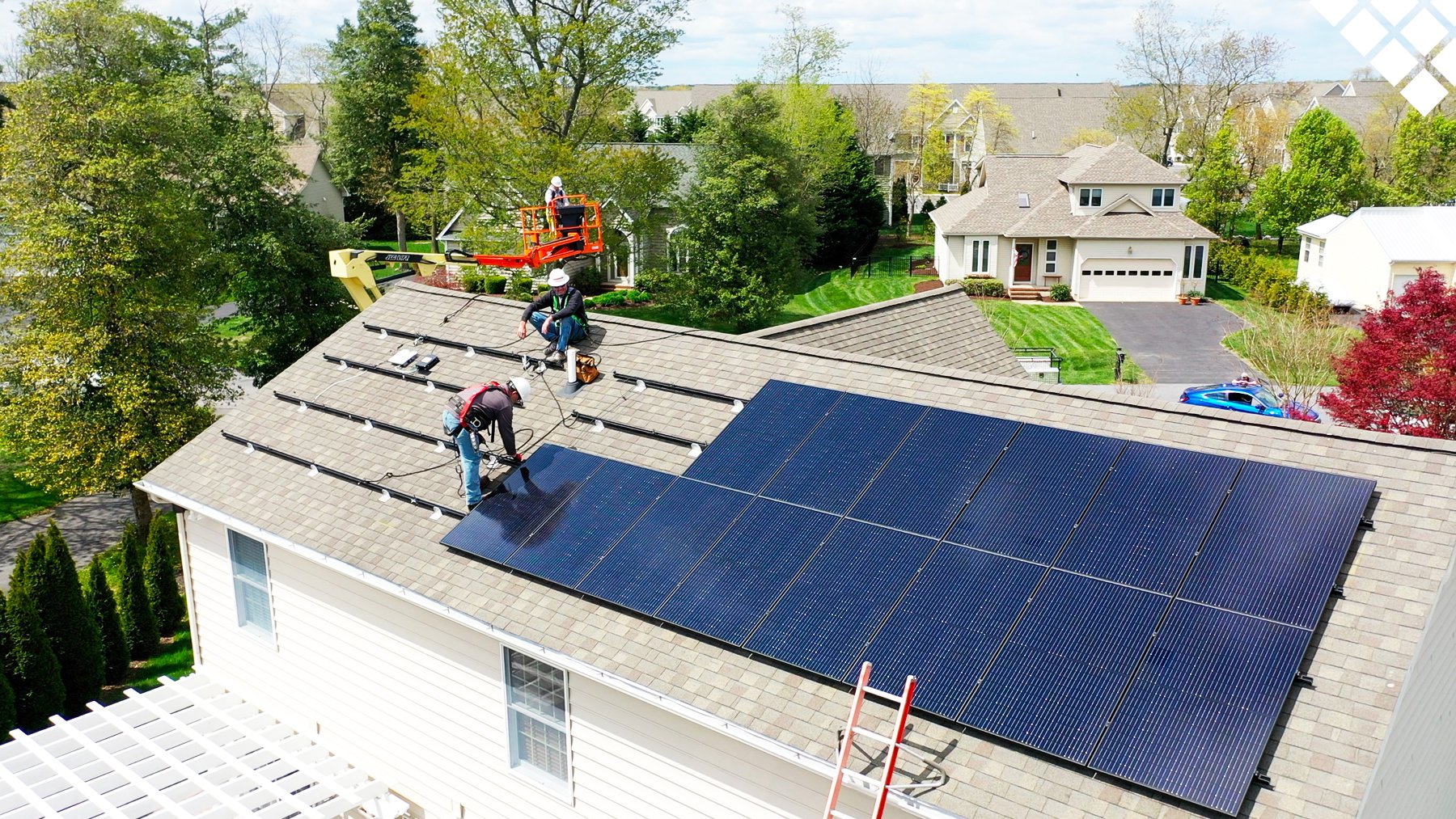
The installation of solar panels is a crucial decision for homeowners wanting to utilize renewable energy and cut down on electricity bills. It entails several steps, starting with analyzing your property’s aptitude for solar panels. This involves assessing the roof size, orientation, and shading, as these factors heavily influence the overall efficiency of the solar system. Homeowners must also reflect on local regulations and potential incentives that may be relevant, rendering this a crucial part of the installation journey.
Once the preliminary assessments are finished, the next stage involves selecting the right solar panels and deciding on the installation type. There are multiple types of solar panels available, each with its advantages, and understanding which one aligns with your energy needs is important. Whether you choose monocrystalline, polycrystalline, or thin-film panels, the choice will influence both performance and budget. Working with https://solarpanelsoxfordshire.uk/best-solar-panel-installation-oxfordshire/ can help guide these options properly.
Finally, the real installation process generally extends a few days, contingent upon the size of the system and the complexity of the setup. Professional installers will mount the panels, connect them to an inverter, and ensure everything is hooked up correctly to optimize performance. Post-installation, it's crucial for homeowners to know maintenance practices and how to monitor their system, securing long-term efficiency and energy savings.
Price and Financial Gains of Photovoltaic Systems
The upfront cost of solar panel installation can be a substantial factor for homeowners. On average, the total cost can differ greatly depending on the size of the system, type of panels utilized, and installation specifics. While these costs may seem intimidating at first, there are numerous financing options available, including credit options, leases agreements, and power agreements. Many residents find that, after rebates such as tax deductions or rebates, the effective cost becomes much more affordable.
In addition to the initial installation prices, solar panels can lead to significant long-term benefits on energy bills. By generating your own electricity, you decrease your usage on the grid, which can decrease monthly utility bills considerably. Many property owners report that their energy bills drop by as much as fifty to seventies percent after setting up solar panels. Furthermore, with escalating energy prices, having solar panels can protect you from future rate increases, making it a smart investment over time.
Another financial benefit of solar panel implementation is the increase in property worth. Homes equipped with solar energy systems often draw top dollar in the property market. Studies have demonstrated that homes with solar panels tend to be sold faster and for a larger sum than similar homes without them. This not only makes solar panels a cost-effective choice but also increases your home's charm, making it an attractive option for potential buyers wanting energy-efficient attributes.
Getting Ready for Your Solar Panel Installation
Getting ready for your solar energy installation involves many essential steps to guarantee the procedure goes smoothly. To start, it's crucial to evaluate your home’s framework and roofing state. Check possible damage or areas that may need repairs before installation. A clean, sturdy roofing is crucial for the durability of the solar panels and will help avoid any subsequent complications. It is also a smart practice to trim back nearby foliage that could block the solar panels, as this can affect their performance.
Next, collect all essential papers and licenses necessary for the setup. This may encompass ownership papers and community building permits. All municipality has distinct rules related to solar energy systems, so it’s sensible to confirm that everything is correct ahead of time. Your installation company can often support with this process, which can make things easier and guarantee compliance with local regulations.
In conclusion, it is crucial to create a definite schedule with your contractor. Understanding how long the setup will take and what to anticipate on setup day will help you prepare accordingly. Be prepared for some disruption but know that most installations can be finished within a day or two. Talk with your contractors any requirements or issues you may have to guarantee a smooth installation.