

Within the constantly changing field of modern construction, vacuum excavation has arisen as a groundbreaking technique, reshaping how construction projects are carried out with efficiency and safety. This novel technique utilizes powerful suction to extract soil and debris while limiting interference to nearby structures and underground utilities. As Vacuum Excavation Ballymena Northern Ireland grow increasingly populated and infrastructure requirements increase, understanding the science behind vacuum excavation and its advantages becomes essential for construction professionals and project managers alike.
From safeguarding vulnerable utilities to improving job site safety, the benefits of vacuum excavation are manifold. As we delve deeper into this area, we will explore how this technology is changing traditional digging methods, the machinery involved, and the various uses that are paving the way for a more efficient and sustainable approach to construction. Whether you are preparing a utility installation or maintaining drainage systems, the guidance provided here will illuminate the justifications why vacuum excavation is becoming an indispensable tool in the construction industry.
Grasping Air Digging
Air excavation is a gentle digging technique that employs strong vacuum to extract dirt and materials from a selected area. This process is done through a specific excavation vehicle equipped with a powerful vacuum and a means to securely transport the dug materials. By applying this technique, contractors can expose underground services, lay pipelines, or carry out maintenance tasks without the chance of damaging existing infrastructure, making it a favored choice in many construction situations.
One of the main advantages of vacuum excavation is the precision it provides in relation to standard digging techniques. With traditional approaches, the chance of harming underground services is amplified, leading to costly repairs and project delays. Vacuum excavation reduces these chances by permitting operators to carefully uncover buried assets while maintaining the safety of the adjacent environment. This level of management is especially critical in urban settings where numerous utilities may be grouped in a tight area.
Furthermore, vacuum excavation promotes improved protection on construction sites. The ability to avoid accidental impacts with infrastructure not only safeguards workers but also minimizes inconveniences to services, avoiding unnecessary interruptions to the public. As development projects increasingly emphasize sustainability and productivity, the implementation of vacuum excavation technology persists across multiple sectors, addressing both protection and environmental concerns while being budget-friendly.
Benefits of Vacuum Digging
Suction excavation offers a variety of benefits over conventional excavation techniques, primarily in terms of security and effectiveness. One of the primary benefits is the minimized risk of harming underground infrastructure. The accuracy of suction excavation allows workers to identify existing pipelines, cables, and other utilities without the guesswork associated with traditional excavation methods. This not only prevents expensive repairs but also enhances overall site safety by reducing the likelihood of incidents related to utility hits.
Moreover, suction digging significantly reduces project downtime. The rapid and effective removal of soil and material speeds up the excavation process, allowing construction crews to proceed with their tasks without setbacks. The non-destructive nature of this approach means that interruptions caused by unforeseen utility damages are largely eliminated, thereby helping to keep project timelines and budgets.
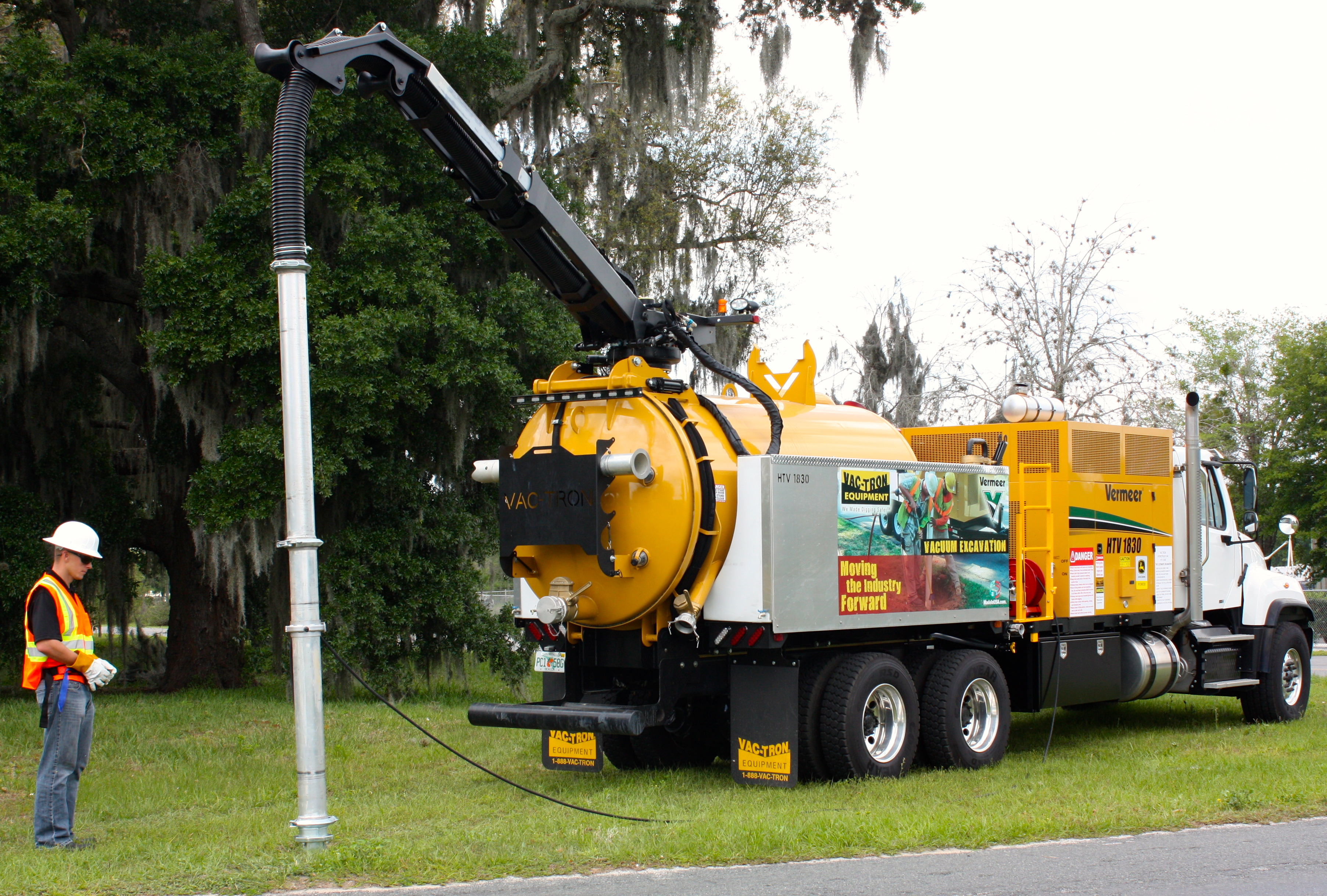
Moreover, suction excavation is environmentally friendly compared to conventional excavation methods. It generates less debris and disturbance to the nearby area, making it an optimal choice for urban projects where space is restricted and environmental concern is a priority. By using this technique, construction teams can ensure compliance with eco-friendly regulations while also promoting sustainable methods within the sector.
Uses and Prospects of Vacuum Excavation
Vacuum excavation has proven to be an essential method across diverse uses in the infrastructure industry. Its ability to securely reveal and identify underground utilities has made it a popular choice for utility and pipeline installation. Additionally, vacuum excavation facilitates essential tasks such as potholing and locating utilities, helping contractors avoid expensive damage to existing infrastructure. The technique is also commonly used in maintenance and repair projects, such as sewer work, where precise digging is important to avoid disrupting surrounding areas.
The benefits of vacuum excavation carry over to city projects, where space is often limited and the need for non-destructive digging is paramount. This technique allows for the careful excavation of soil without disturbing the surrounding environment, making it perfect for projects in highly populated areas. Moreover, vacuum excavation is key in land design and tree root protection, ensuring that the environment is preserved while permitting for necessary construction activities.
Looking towards the future, the methods and methodologies of vacuum excavation are expected to advance further. Innovations in tools and methods are predicted to improve the efficiency, security, and ecological benefits of this excavation technique. As urbanization continues and the need for precise and gentle excavation grows, vacuum excavation will stay at the forefront of construction methods, becoming more integral to eco-friendly development and intelligent city initiatives.