

This challenging world of property development often hinges on a delicate equilibrium between innovation and regulatory compliance. Among the many factors developers must navigate, the topic of light rights is of significant importance. Understanding and managing rights of light is vital for ensuring that new buildings do not adversely impact the ambient light enjoyed by neighboring properties. This is where right of light surveys come into play, serving as a key tool in assessing potential light infringement issues before they intensify into costly legal disputes.
Right of light surveys deliver a thorough analysis of how proposed developments can affect light access for existing structures, paving the way for informed decision-making during the design and planning phases. With the rise in urban density and the pursuit of high-rise developments, the significance of these surveys has not been more pronounced. In this piece, we will examine the key aspects of right of light surveys, their implications for property developers, and the legal frameworks surrounding them, all while providing insights on how to navigate this critical area of property rights effectively.
Understanding Surveys of Right to Light
Surveys on light rights are essential assessments carried out to assess the influence of new developments on the sunlight accessed by adjacent buildings. These assessments evaluate whether a proposal would hinder light to openings or yards that have enjoyed a clear light access for a designated time. Recognizing these rights is crucial for property developers, as failure to consider them can lead to substantial legal challenges and disputes with neighboring landowners.
In numerous areas, if a property has received sufficient natural light for a set period—often 20 years—it may acquire a legal right known as the right of light. This means that any new construction which interferes with that light could potentially lead to claims for remedies or even mandate alterations to the development plans. Surveys on light rights play a critical role in detecting these concerns before construction starts, allowing developers to make well-informed choices and prevent financial setbacks.
The process of conducting a right of light survey involves assessing light levels to check adherence with legal requirements. It includes both scientific evaluation and legal considerations, guaranteeing that the results are not only accurate but also applicable to existing regulations. By hiring experienced professionals to conduct these surveys, developers can prioritize planning applications and synchronize their plans with regulations, enhancing their chances for a smooth construction process.
The Importance of Right of Light in Property Development
Light rights is a vital aspect of property development that concerns both housing and commercial projects. Making sure that a new development does not trespass on the rights of adjacent properties to receive adequate natural light is essential for supporting good relations with neighboring owners and conforming with regulatory requirements. Developers must know about these rights as they can affect site layout, design choices, and overall project feasibility.
A right of light evaluation helps detect potential problems early in the development process, allowing developers to address concerns proactively. By carrying out these assessments, builders can steer clear of costly legal conflicts that may arise if a surrounding owner claims their right to light has been infringed. This foresight not only saves time and money but also ensures smooth progression through the planning stage, which is vital for timely project completion.
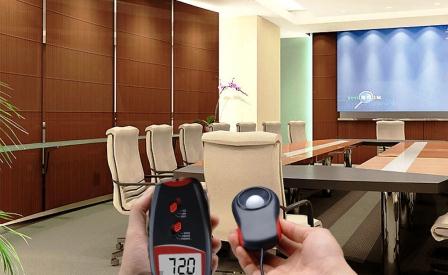
Moreover, understanding right of light regulations can significantly influence property value. Check out the post right here that acknowledge these rights are less apt to face future litigation and can boost marketability. By conducting right of light surveys, property builders can place their projects positively while fostering a cooperative atmosphere with the community, ultimately laying the way for satisfactory projects.
Steering Clear of Legal Complications with Right of Light Surveys
One of the primary benefits of conducting a Right of Light survey is the proactive identification of impending legal complications that could arise during or after a development endeavor. By analyzing existing rights to light, real estate professionals can determine whether their proposed developments will obstruct light received by neighboring properties. This prompt detection enables developers to make thoughtful design and planning decisions, reducing the chances of legal disagreements that could culminate in expensive legal battles.
Integrating Right of Light surveys into the property development process is crucial in preventing difficulties associated with local opposition and legal actions. Builders who neglect this element may encounter claims from neighbors seeking damages or seeking injunctive relief. Working with qualified Right of Light consultants early in the project can provide reassurance and clarity, ensuring that all applicable laws and statutes are complied with, and that the development respects the rights of surrounding properties.
In conclusion, grasping and managing Right of Light issues doesn't just help to stop legal disputes but also builds better connections with neighboring property owners. This can lead to smoother implementation of the project and enhanced relationships with the community, further contributing to the success of a development project. By prioritizing Right of Light considerations, developers can lessen risks and ensure their projects proceed without needless legal obstacles.