

Recently, wood burning stoves have witnessed a significant revival, captivating both experienced users and those new to the concept alike. Previously regarded as relics of a bygone era, these stoves have made a powerful comeback, gaining popularity for their combination of country charm and latest features. Homeowners are progressively turning to wood burning stoves not only for their capacity to create a warm atmosphere but also for their effectiveness and eco-friendly potential.
This write-up delves into the wood burning stove phenomenon, looking into everything from the essentials of setting up to the details of upkeep and use. Whether you're thinking about one for your home or just interested about their comeback, we'll share insights into why wood burning stoves are not only a heating option; they embody a way of life that champions eco-friendliness, efficiency, and a link to historic heating practices. Come along as we navigate this captivating topic and uncover the many motivations behind the renewed interest in wood burning stoves.
Benefits of Wood-Fired Stoves
Wood-fired stoves offer a unique appeal and ambiance that can change any space. The heat radiating from a wood stove creates an welcoming atmosphere, perfect for comfortable gatherings and peaceful evenings at home. Unlike alternative heating methods, wood-burning stoves provide a tangible connection to nature through the use of a sustainable resource. Eco Wood Burners Morley enhances the visual appeal of a room, serving not just as a heating unit but also as a focal point that adds personality to your home.
Another important benefit of wood burning stoves is their cost-effectiveness. In numerous regions, firewood is more cost-effective than alternative heating fuels like gas or electricity, especially if you have access to wood. Additionally, wood stoves can efficiently distribute heat throughout a space, minimizing the need for additional heating methods. This can lead to considerable savings on heating bills, particularly in colder months when heating demands are high.
Environmental considerations also play a role in the increasing trend of wood burning stoves. Modern stoves are designed to burn wood more effectively and with fewer emissions than their more traditional counterparts. When sourced responsibly, wood is a carbon-neutral energy source that can help reduce overall environmental impact. For those seeking an eco-friendly heating solution, wood burning stoves present a feasible alternative, making them a attractive choice for environmentally aware homeowners.
Selecting and Setting Up Your Stove
When selecting a wood-burning heater, it is crucial to take into account the dimensions and configuration of your room. Take measurements of the area where the stove will be set up to ensure that the model you pick will deliver sufficient heating without clashing with the room’s style. Take into account the stove's thermal output, which is indicated in BTUs, as this will determine how efficiently it can heat your house. Moreover, assess the aesthetics of the stove to match your decorative style, choosing from various options and finishes available in the market.
After you have selected the right wood burning stove, correct installation is important for protection and effectiveness. It is advisable to contract a qualified installer who is skilled with wood burning units to ensure compliance with local building standards and regulations. The stove must be installed on a non-combustible surface, and the flue system must be set up properly to facilitate adequate venting of gases and emissions. This will help avoid any safety issues and ensure peak performance of the stove.
After installation, performing a comprehensive inspection is essential to ensuring that everything is working as it needs to. Check for any apparent problems in the flue, and ensure that the connections are secure. Familiarize yourself with the operation of your new stove and review the manufacturer's instructions regarding upkeep and safety protocols. This proactive approach will boost the durability of your wood burning stove and provide assurance while enjoying comfortable , effective heat in your home.
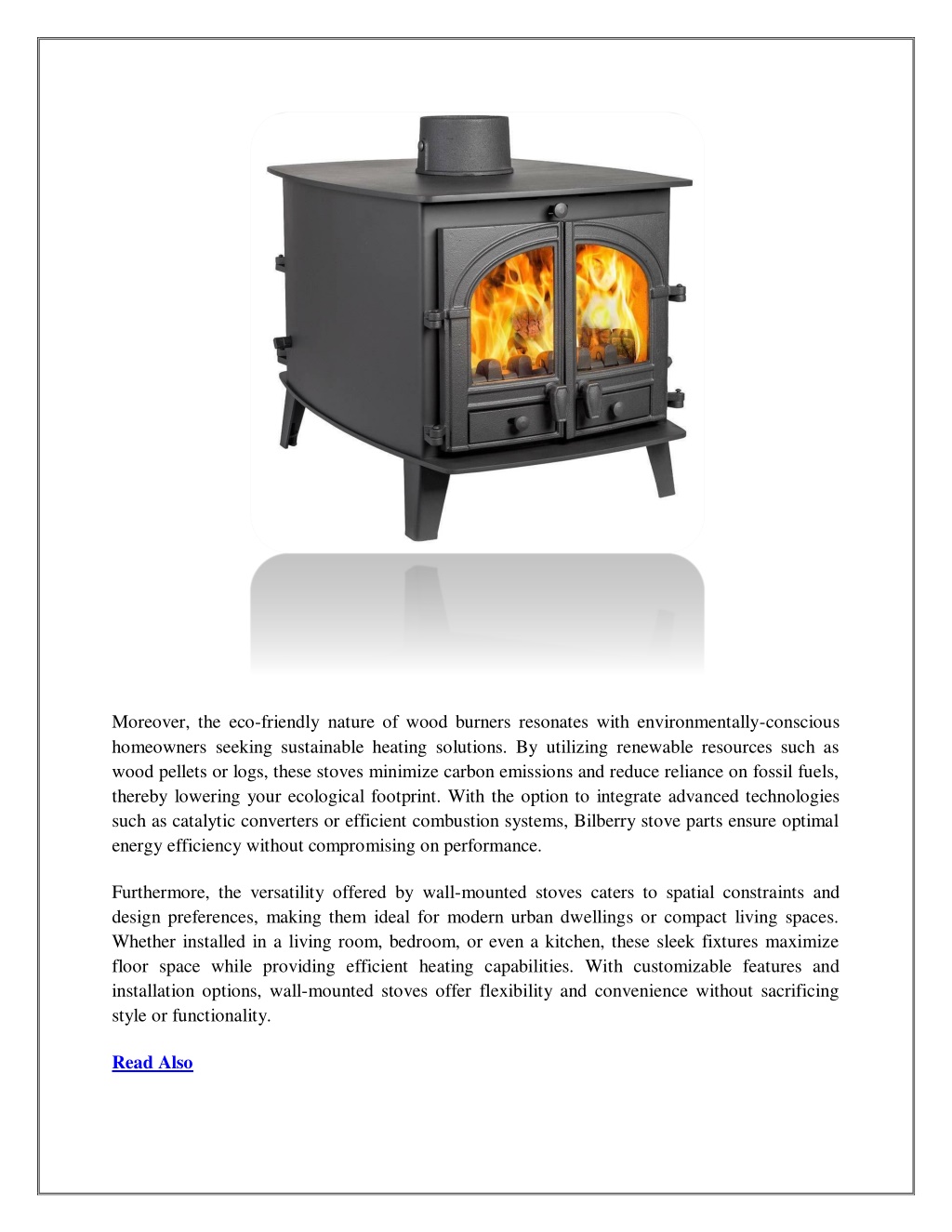
Care and Efficiency Advice
To ensure your wood burning stove functions effectively, routine maintenance is crucial. Washing the stove and chimney at least once a year helps avoid the buildup of creosote, which can result in chimney fires. Additionally, inspect the door seals and gaskets regularly; any kind of signs of wear must be replaced immediately to keep the heat from escaping and to preserve maximum efficiency.
Correct wood storage is additionally crucial for maximizing efficiency. Store firewood in a dry, well-ventilated area to reduce moisture content, as wet wood produces increased smoke and reduced heat. Aim to season your wood for a minimum of six months before burning, and avoid using softwoods that can create increased soot and residue buildup in the stove and chimney.
Finally, think about the type of wood you are burning. Hardwoods, such as oak, hickory, and maple, provide greater heat and burn longer compared to softwoods. By choosing Check out the post right here and taking care of your stove, you not only maximize heating efficiency but also enhance the overall experience and durability of your wood burning stove.