

When discussing protecting your boat, a high-quality boat cover is indispensable. Not only does it protect your vessel from the brutal elements, but it also helps keep its appearance and extend its lifespan. However, picking the right cover is just the first step. To truly ensure the lifespan of your investment, proper maintenance is key. In this article, we will disclose the secrets to caring for your boat cover, providing useful tips and insights that will help you keep it in optimal condition for the long term.
Understanding the different types of boat covers and their attributes is crucial. From moisture-proof options to ventilated materials that prevent mold and mildew, the right cover can make a significant difference in how well your boat is safeguarded. Whether you need a bespoke fit or are considering a one-size-fits-all option, knowing how to care for your cover will help sustain its protection. Join us as we delve into the effective steps you can take to ensure your boat cover remains a trustworthy shield for your prized possession.
Determining the Appropriate Boat Cover
Choosing the appropriate boat cover is important for guaranteeing the durability and preservation of your vessel. When evaluating a cover, it's important to comprehend the specific needs of your boat type. Factors such as magnitude, design, and function will influence your choice. For instance, if you possess a pontoon boat, a cover made specifically for that form will offer enhanced fit and protection than a standard cover.
You should also factor in the substance of the cover. Boat Cover Great Harwood Lancashire come with distinct levels of toughness, water resistance, and UV defense. For illustration, polyester and canvas are frequently chosen choices for their durability, while thin fabrics may be more convenient to handle but might not offer the same level of safeguarding. Considering the environmental conditions your boat is exposed to, such as sun, rain, or saltwater, can assist you in choosing a cover that fulfills your need for protection.
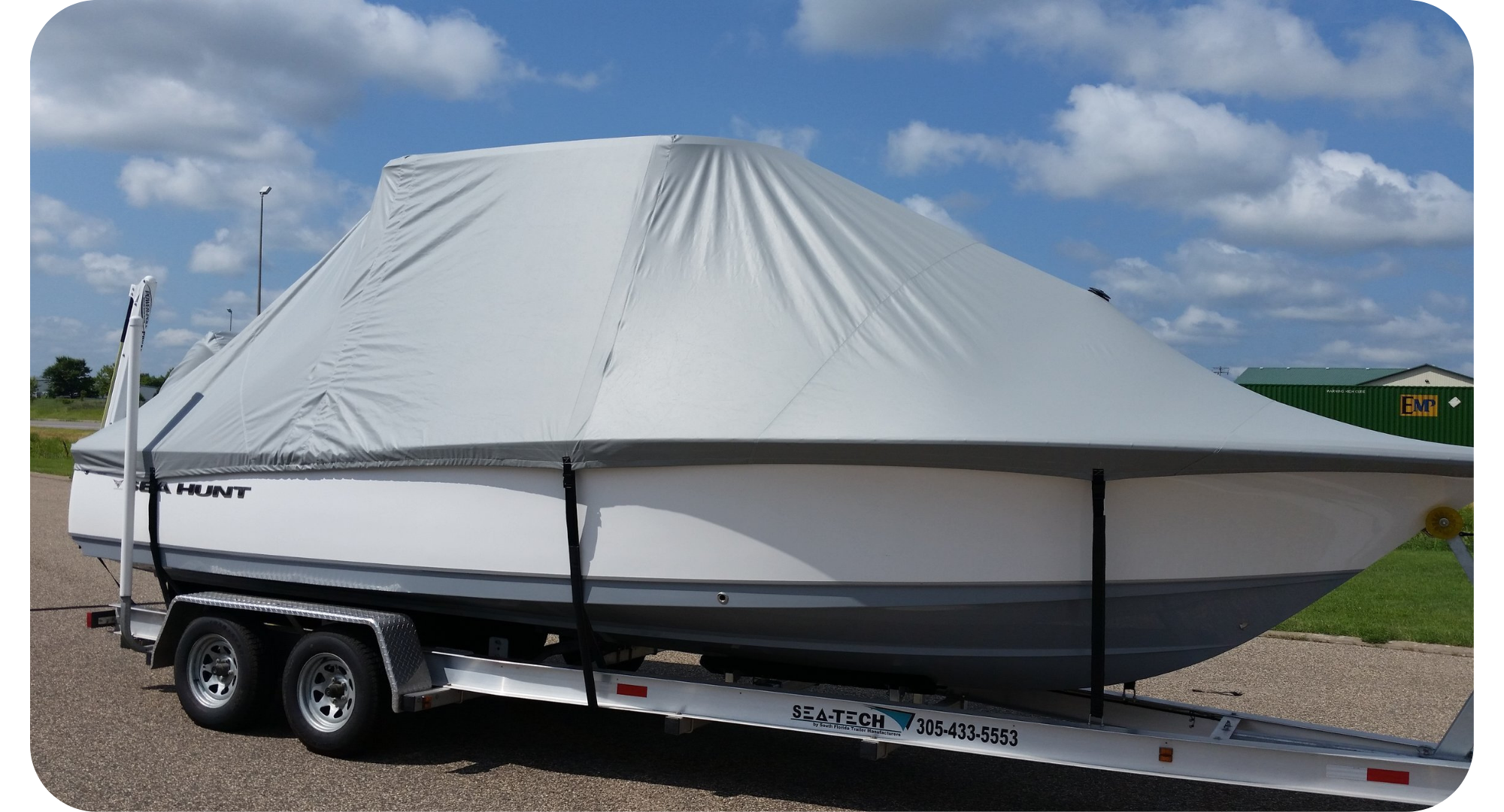
Ultimately, you need to determine whether a bespoke or generic boat cover would be the best fit for you. Custom covers are made to your boat's measurements, offering a tighter fit and enhanced protection. In contrast, generic covers are more affordable and easily available, but may not fit as tightly, possibly exposing your boat to the elements. Considering budget, protection needs, and ease of use will enable you in making an wise decision when choosing the right boat cover.
Maintenance Suggestions for Longevity
To guarantee the maximum life for your boat cover, routine cleaning is essential. Remove dirt, grime, and debris as soon as you can to prevent mold and mildew growth. Utilize a mild detergent mixed with water and a soft brush to gently scrub the surface, making sure to rinse thoroughly after. Avoid harsh chemicals, as they can deteriorate the fabric over time. After cleaning, allow your cover to completely dry before putting away or putting back it on your boat.
Another important aspect of maintenance is proper storage. When not in use, neatly fold your boat cover neatly and store it in a dry, cool place to prevent any moisture exposure. Use a breathable storage bag to prevent dust accumulation while ensuring that air can circulate, which helps maintain mold and mildew at bay. Never store your cover wrinkled or in a damp environment, as this can lead to unexpected damage.
Lastly, inspect your boat cover frequently for any signs of wear and tear, such as small tears or fraying seams. Addressing these issues promptly can prevent further damage and extend the lifespan of your cover. For minor repairs, use a specialized fabric adhesive or patch kit designed for boat covers. Keeping your cover in the best shape possible not only protects your investment but also ensures that you are ready for the next boating season.
Understanding Vessel Cover Materials
Selecting the appropriate fabric for your watercraft shield is vital to guarantee it provides the safeguarding your vessel needs. Frequent materials include canvas, all with its individual features. Polyester is lightweight and often has a water-resistant finish, making it a preferred choice for numerous watercraft holders. On the other hand, acrylic is known for its durability and dye holding, providing excellent protection to fading from UV rays. The canvas material is robust and breathable, enabling moisture to get out while protecting against the weather, but it may need more maintenance compared to man-made materials.
A further important factor is the waterproof vs. water-repellent debate. Waterproof covers are designed to completely prevent water from getting in, ideal for conditions where intense precipitation is foreseen. Water-resistant covers, while able against minor water, may not last as well under continuous exposure to water. Knowing your individual requirements based on your region and average climate conditions will help establish which type is most suitable for your case.
In addition, the ability to breathe is a crucial feature to consider. Air-permeable fabrics help stop mold and mold by letting trapped moisture to get out. This is especially vital for extended keeping scenarios. When selecting a boat protection, assess the fabric’s ability to breathe, water-repellent properties, and strength against the weather to ensure your shield not only defends your asset but also survives for many years to follow.