

Navigating the challenges of child custody cases can be an intensely challenging experience for families. One critical element that frequently arises in these cases is supervised visitation, a approach designed to prioritize child protection while supporting parent-child bonds. Understanding what this concept is and how it works is vital for all individuals involved, specifically when the safety of a child is at issue.
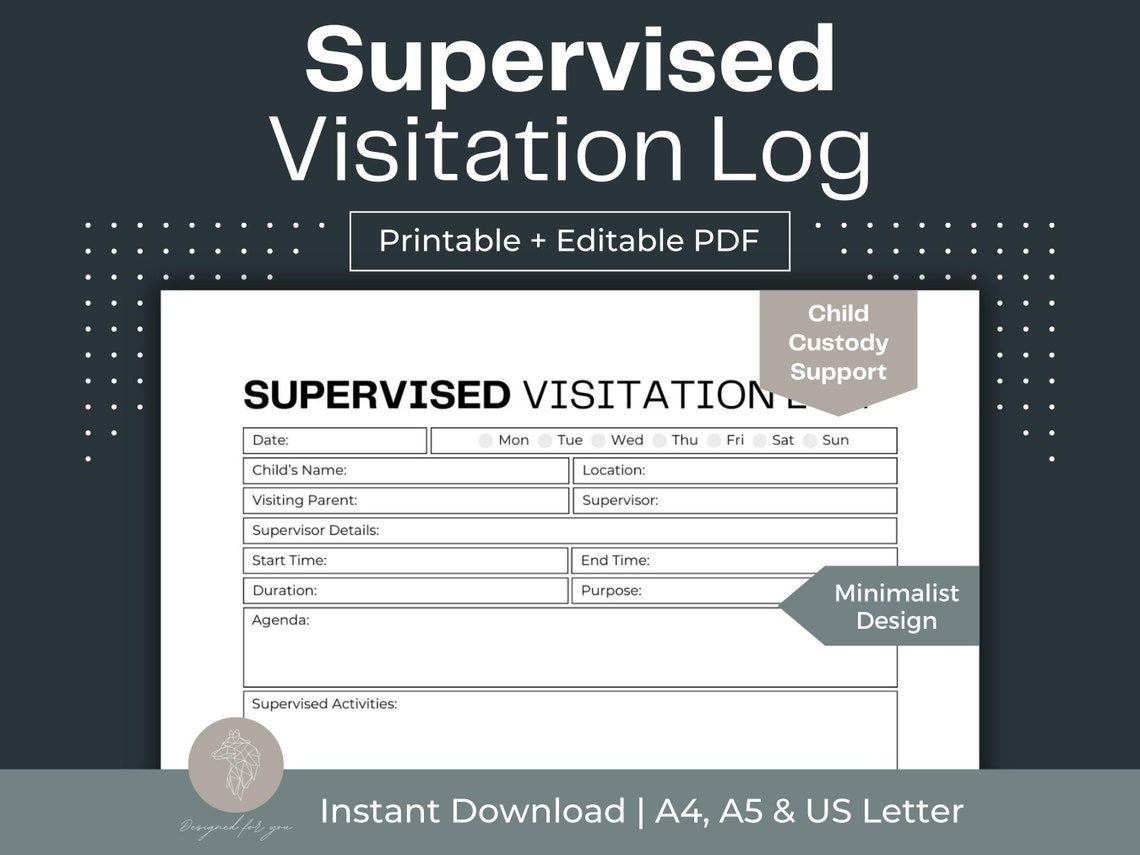
Supervised visitation allows a non-primary parent to spend time with their child in a controlled environment, usually overseen by a designated family member. https://newmuslim.iera.org/members/alleyinput55/activity/653652/ can be vital for guaranteeing that the child remains safe while allowing for meaningful interaction with their parent. Courts may mandate such visitation in cases where there are issues about the child's protection due to issues like intimate partner violence, addiction, or mental health challenges. As we explore further into the various elements of monitored visitation, we will discuss its importance for child protection, the frequent factors courts impose these orders, and the realistic steps parents can take to manage this situation effectively.
Grasping Monitored Visitation
Supervised access is a formal arrangement where a parent can interact with their offspring under the watch of a certified observer. This arrangement is usually ordered by the court in situations in which there are concerns about the safety of the child during visits. The main aim is to ensure that the youth feels secure and preserving a relationship with the non-custodial parent, who may have otherwise been deemed inappropriate for independent visits.
The method of supervised visitation requires compliance to specific guidelines that ensure both the child's welfare and the validity of the visitation process. Supervisors are responsible for overseeing the engagements between the parent and child, creating a protected environment, and providing assistance when necessary. These appointments can take place in different locations, such as designated visitation centers or even in open environments, based on on what the court decides is most suitable for the child.
Monitored visitation plays a vital role not only in safeguarding children but also in helping parents understand how to interact with their children in a constructive way. It provides an opportunity for parents to exhibit their commitment to being part of in their offspring's life and tackling any underlying issues that led to the need for monitoring. This can eventually support the goal of household reunion if it is secure and appropriate to do so.
Getting Set for Monitored Meetings
Getting Ready for monitored meetings involves understanding the format of the sessions and predicting the emotional dynamics at play. Parents should take time to talk about the meeting with their little one beforehand, explaining what to expect in a way that is age-appropriate and reassuring. Maintaining the attention on the encouraging points of the visit can help alleviate any anxiety the kid may have. It's crucial to tackle the setup with sensitivity, emphasizing that the goal of these visits is to cultivate a connection and maintain a connection.
Another key aspect of preparation is assembling items that might help make the meeting enjoyable and cozy for the little one. Bringing along toys, reading materials, or crafts that the little one enjoys can create a more interactive environment. Parents should also consider any specific needs their child may have, such as treats or familiar objects, which can offer familiarity and safety during the visit. Careful preparation can considerably enhance the quality of the time spent with each other.
Finally, it is crucial for parents to use the time leading up to the visits to manage their emotions and set the right tone. Guardians should aim to keep collected and upbeat, as their demeanor can greatly impact the child's perception. Utilizing calming strategies or discussing emotions with a reliable friend or mental health professional can be helpful. By approaching the meetings with a positive mindset, guardians can contribute to a supportive atmosphere that enhances the child's mental wellness.
Benefits of Supervised Visitation
Monitored visitation serves as a crucial resource in ensuring the well-being of children during custody arrangements. By providing a controlled environment for parent and child interactions, it allows children to sustain relationships with their parents while reducing risks connected to potential harm. The presence of a monitor ensures that visits are held safely, offering reassurance to both the custodial parent and the court. This safeguarding measure is especially crucial in instances where there are concerns regarding a parent's conduct, such as alcohol abuse or domestic violence.
In addition to safety, supervised visitation fosters opportunities for the development of positive parent-child relationships. With support from a visitation monitor, parents can focus on engaging activities that enhance their bond with the child. This structured approach helps parents to work on important parenting skills while also providing children with a consistent space to express their thoughts and build confidence. https://roberson-brink.blogbright.net/this-importance-of-monitored-contacts-in-minor-custody can enhance stability and attachment, crucial elements for a child’s emotional well-being.
Furthermore, supervised visitation can act as a bridge toward family restoration. As parents demonstrate their ability to engage positively under supervision, courts may consider adjusting custody arrangements in support of more unsupervised time. This step-by-step process allows parents to restore trust with their children and caregivers. The focus on positive and constructive interactions during supervised visits can significantly improve the family's overall dynamics, leading to more positive long-term relationships.