

Structural engineering is a crucial field that influences our built environment, ensuring that the infrastructures we inhabit are not only visually appealing but also secure, long-lasting, and functional. At its foundation, structural engineering involves the design and analysis of edifices, spans, and other infrastructures to withstand various loads and stresses while upholding integrity under difficult conditions. As cities develop and new issues arise, the role of structural engineers becomes increasingly critical in tackling the complexities of modern construction.
In this article, we will investigate innovative materials that are transforming the field of structural engineering currently. From buildings designed to withstand earthquakes to sustainable practices that consider the environmental impact of construction, we will delve into how new innovations and methodologies are changing the way we erect. Our journey will also showcase historical advancements, the intricate collaboration between structural engineers and architects, and the future trends that promise to reshape our skylines. Join Home page as we explore the essential role of structural engineers in creating strong structures that stand the test of time.
The Role of Structural Engineers in Modern Construction
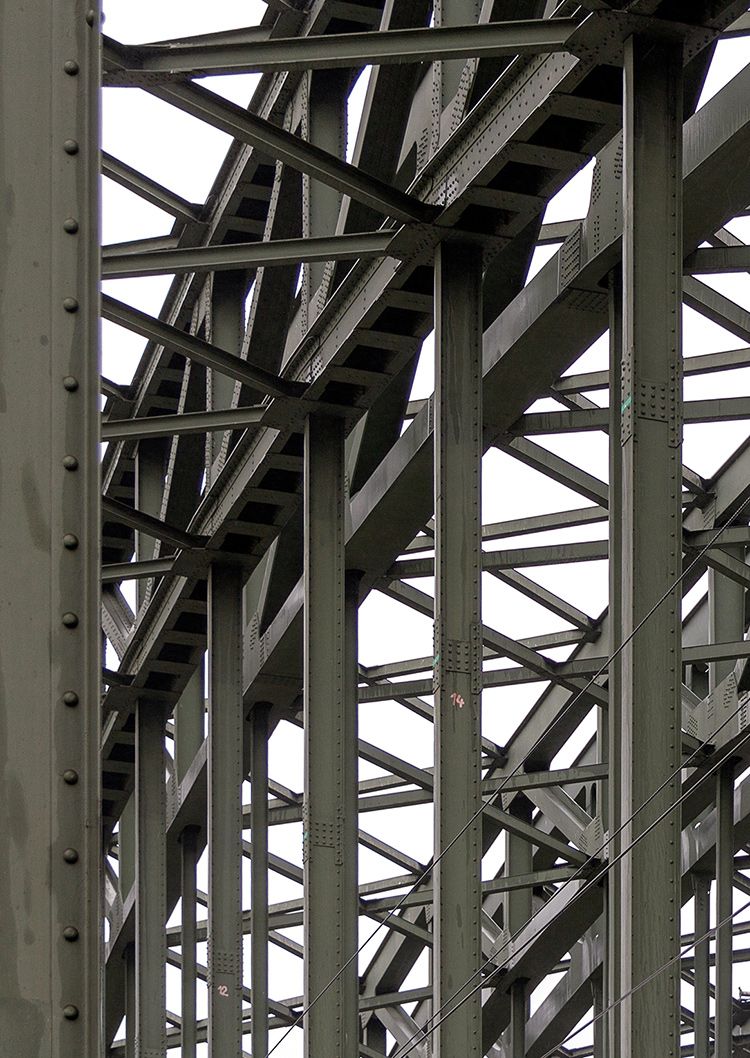
Structural engineers play a essential role in ensuring that buildings and structures are safe, effective, and capable of withstanding various forces. Their primary responsibility is to design structures that can support the expected loads while ensuring stability and integrity. This involves understanding material properties, load distribution, and the possible impact of environmental factors on the structure. By employing mathematical calculations and engineering principles, structural engineers assess and manage risks, ensuring that every element of a building is appropriately designed.
Collaboration is another key aspect of a civil engineer's role. They work closely with architects, construction managers, and other experts to bring a project from conception to finalization. This teamwork is necessary to integrate aesthetic designs with operational requirements. Look at more info provide valuable insights during the planning phase, advising on material choices, structural forms, and construction methods that align with the overall vision. Their expertise ensures that structures not only look good but also operate effectively and optimally.
In further design, building engineers are engaged in project management and oversight during the construction process. They supervise construction activities to guarantee compliance with design specifications and building codes. Regular site visits and inspections are integral to their responsibilities, addressing any issues that arise and modifying plans as necessary. This preventive involvement is essential in avoiding construction errors and making sure that safety standards are upheld, ultimately leading to successful and long-lasting infrastructures.
Cutting-edge Substances and Methods in Building Engineering
The structural engineering field has witnessed significant advancements in substance science, leading to the integration of advanced materials that enhance construction efficiency and durability. Enhanced concrete, for example, facilitates for construction thinner beams and columns while maintaining security and stability. Additionally, composite polymers are gaining traction due to their lightweight nature and corrosion-resistant properties, making them ideal for repairing and enhancing existing structures without excessive increases.
Another novel approach is the application of self-healing substances, which can automatically fix cracks and deterioration without human intervention. This groundbreaking approach not only prolongs the duration of structures but also minimizes maintenance costs. Researchers are designing these substances by adding microcapsules containing healing agents into concrete, which disperse when cracks appear. This technology could change the way structures are assessed and cared for, contributing to a more sustainable future in building.
As the need for eco-conscious building practices expands, engineers are turning to upcycled and environmentally friendly substances. For instance, the utilization of fly ash in concrete mixtures decreases the carbon impact of construction while enhancing the durability of the finished material. Coupled with cutting-edge methods such as 3D printing, which allows for fast prototyping and tailored designs, the combination of these substances and techniques is changing traditional approaches to civil engineering, leading to more intelligent, effective buildings.
Sustainability and Future Trends in Civil Engineering
As the construction industry faces growing criticism over its ecological footprint, eco-consciousness has become a key priority in civil construction. Designers are now prioritizing the use of sustainable materials and construction methods, which not only minimize refuse but also help in the overall decrease of carbon emissions of buildings. Innovations such as recycled steel, bamboo, and innovative concrete solutions are gaining traction, offering sustainable alternatives to traditional materials. The drive for sustainable practices is not just a fad; it reflects a fundamental shift towards ethical construction and building that aligns with global sustainability goals.
Incorporating intelligent systems in structural engineering is yet another development influencing the next phase of the field. With progress in data analytics and monitoring devices, structural engineers can track the integrity and efficiency of buildings in real-time. This forward-thinking strategy not only enhances safety but also improves maintenance practices by enabling predictive analytics. The integration of smart technologies is poised to transform how engineers create, build, and maintain both recent and old structures, making sure they are resilient and efficient.
In the future, the focus on sustainability will probably keep to drive innovation in structural engineering. The future of the sector will involve increased cooperation between engineers, architects, and contractors to create holistic designs that prioritize both functionality and eco-responsibility. As urbanization trends continue and demographics grow, the need for innovative, sustainable structures will only rise, pushing structural engineers to constantly evolve and update their methods to meet the challenges of modern construction.