

As thinking about a wood-fired stove for your house, one crucial aspect is the type of logs you choose to burn. https://townandcountryfiresyorkshire.co.uk/best-eco-wood-burners-yorkshire/ affects the effectiveness and warmth of your stove and also influences the overall experience of using it. With a range of wood options available, selecting the ideal kind can be overwhelming for beginners. This manual aims to simplify that process, ensuring have the cozy ambiance and heat that a wood burning stove can provide.
Recognizing the characteristics of various kinds of wood is essential for maximizing the performance of your stove. Some woods ignite more intensely and for longer periods, while others may generate too much smoke or creosote, which can hinder efficiency and safety. Whether you’re new to wood burning stoves or looking to refine your technique, this article will explore the best woods to use, as well as those you should avoid. By making knowledgeable choices about the wood you use, you can enhance your heating experience and enjoy the many benefits that accompany using a wood-fired stove.
Understanding Wood Burning Stoves
Wood burning stoves are a conventional and efficient method of heating homes. They function by combusting wood to produce heat, which is then radiated into the environment. Unlike contemporary heating systems, wood stoves offer a distinct ambiance and connection to the outdoors, making them a favored choice for many homeowners seeking both comfort and visual appeal. With their ability to produce significant amounts of heat, wood burning stoves can efficiently warm larger areas, making them an excellent option for those in colder climates.
Selecting the appropriate wood burning stove is crucial for maximizing efficiency and ensuring safety. These stoves come in diverse sizes and styles, designed to suit specific spaces and heating needs. When picking a stove, take into account factors such as room size, insulation quality, and firewood availability. Additionally, features like secondary combustion technology can enhance efficiency by reducing emissions and improving heat output. Grasping these factors will help you find a stove that fulfills your individual requirements.
Using a wood burning stove involves understanding both its operations and safety protocols. This includes appropriate loading techniques, maintaining adequate airflow, and ensuring the chimney is clean and unobstructed. For those unfamiliar to wood burning, it can be advantageous to familiarize oneself with best practices for lighting a fire and maintaining a steady burn. Education on these considerations promotes not only effective heating but also safety in the home, reducing the risks associated with improper use or maintenance.
Selecting the Proper Type of Wood
Selecting the right kind of wood for your wood burning stove is crucial for improving heating efficiency and lessening smoke emissions. Hardwoods such as oak are superior choices due to their dense structure, which allows for a prolonged, more intense burn. They generally produce less creosote, a substance that can build up in your chimney, reducing the risk of chimney fires. It's important to use seasoned wood, which has been cured for at least 180 days, as this provides lower moisture content and improved combustion.
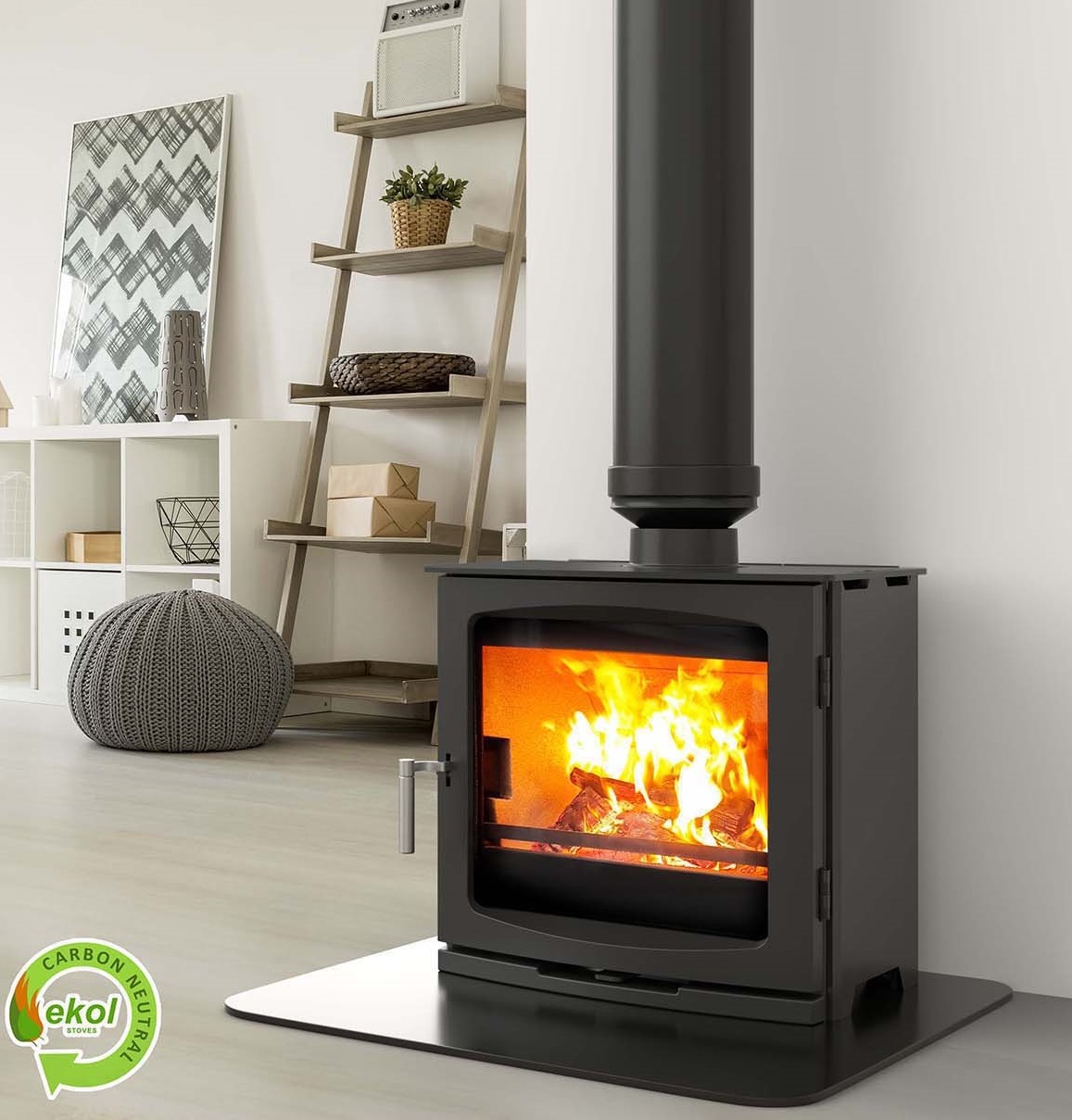
On the flip side, lighter woods like fir may be attractive because they ignite quickly, but they typically burn faster and produce more residue. This can lead to higher maintenance and potential safety hazards over time. If you choose to burn softwoods, make sure to combine them with denser woods to achieve a consistent burn. Another aspect to think about is the inclusion of chemicals or treatments in the wood; refrain from burning treated or painted wood, as this can disperse harmful toxins into your home.
In addition to type and treatment, the storage of your firewood also plays a crucial role in its performance. Storing firewood in a well-ventilated, elevated area helps stop moisture absorption, while adequate seasoning ensures that you have the best fuel ready for your stove. By selecting the right wood and caring for it properly, you can enjoy an productive and secure heating experience with your wood burning stove.
Safety and Maintenance Tips
Operating a wood burning stove in a safe manner requires vigilance and carefulness to fine points. Always ensure your stove is correctly installed and adheres with regional regulations. Use flame-resistant materials for the hearth and maintain a secure distance from flammable objects. Regularly check the chimney for soot buildup and make sure to perform expert cleanings at least one time a year to prevent chimney fires. Additionally, keep a fire extinguisher close at hand and educate your family on emergency procedures related to fire safety.
Maintenance is key to keeping your wood burning stove effective and long-lasting. Clean the glass door regularly to ensure maximum visibility and heat output. Inspect the stove for cracked tiles or worn gaskets, and replace them as necessary to improve efficiency and prevent heat loss. Make sure to keep the stove's air intake free of obstructions and check the condition of your flue regularly. Taking these steps will help prolong the life of your stove and enhance its functionality.
Lastly, always use dried wood to minimize creosote buildup and improve combustion efficiency. Store firewood in a dry location to maintain its quality and reduce smoke emissions. Protect your stove from harsh weather by securing a cover, and consider investing in additional accessories that enhance both security and efficiency. By following these recommendations, you'll enjoy a warm, inviting home while ensuring the secure operation of your wood burning stove.