

In terms of upholding the safety and well-being of your property, understanding EICRs is vital. These comprehensive reports serve as a vital tool for property owners, renters, and real estate professionals alike, providing insight into the condition of electrical installations and highlighting any risks. With the increasing focus on safety and regulatory standards, knowing what an EICR entails can help demystify the procedure and empower property owners to make informed decisions.
Each property, regardless of its age or use, benefits regular electrical inspections. A comprehensive EICR not just confirms that your electrical systems are functioning correctly but also identifies areas that need attention, thus preventing smaller issues from becoming significant problems. Whether you are considering buying a new property, preparing to rent, or simply ensuring your current home is secure, grasping the ins and outs of these inspection reports can help you break down barriers and stay one step ahead in property management and regulatory adherence.
Grasping EICRs
An Electrical Assessment Report, often referred to as an EICR, is a comprehensive assessment of the electrical systems in a building. This paper confirms that the electrical systems are secure and performing as designed, providing conformity with the current safety standards. The EICR is essential for recognizing likely hazards, maintenance needs, and overall electrical condition, providing peace of mind for real estate owners.
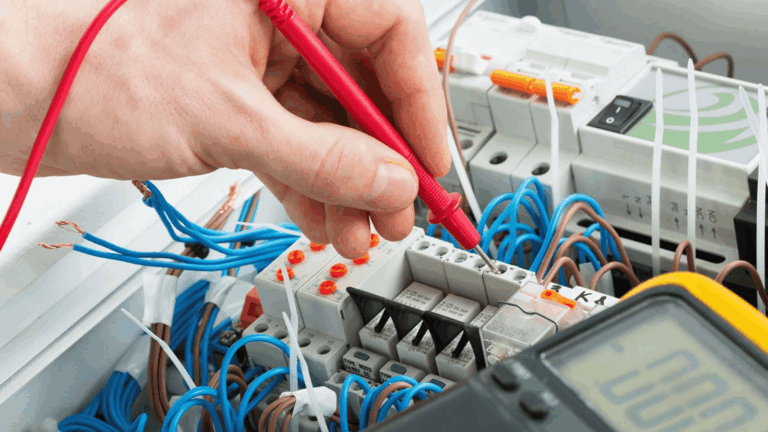
The report is produced following a meticulous inspection conducted by a qualified electrician. This inspection includes assessing different components of the electrical system, such as wiring, circuits, and earthing systems. The electrician assesses the condition of these elements according to recognized standards, confirming that any deficiencies or risks are documented. EICR Fife includes notations and recommendations that help property owners grasp the condition of their electrical systems.
The availability to the information in an EICR is essential for maintaining safety in both domestic and industrial properties. Consistently obtaining these reports can stop electrical faults, minimize the risk of fires, and safeguard investments in buildings. Realizing the value of an EICR aids in maintaining compliance with regulatory requirements but also improves overall safety for residents.
Value of Electrical Assessments for Properties
Frequent electrical inspections are crucial for maintaining the safety and functionality of any property. An Electrical Installation Condition Report, or EICR, provides a detailed assessment of the electrical systems, identifying dangers and problems with safety standards. This proactive approach protects residents and visitors from electrical accidents, which can lead to blazes or significant injuries. By tackling issues before they escalate, property owners can not just safeguard lives but also enhance the overall safety and value of their investment.
Furthermore, electrical inspections are beyond about compliance; they also provide peace of mind to landlords and homeowners. Being aware that the electrical system has been thoroughly assessed allows property owners to concentrate on other important aspects of property care and maintenance. It also builds trust among tenants and buyers, making properties more appealing in the competitive real estate market. An up-to-date EICR demonstrates accountability and a dedication to maintaining safe living and working conditions.
Furthermore, for landlords, adhering to electrical inspection regulations is not only a legal obligation but also a moral one. Timely EICRs help ensure that rental properties meet safety standards, protecting tenants and reducing liability risks for landlords. Neglect to conduct timely inspections could result in penalties and increased insurance costs, alongside the potential for severe consequences if an incident occurs due to negligence. Therefore, considering electrical inspections a priority is essential for proper property management and liability management.
Preparing for an Electrical Inspection
When preparing for an electrical inspection, the initial step is to ensure that the venue is accessible. Remove any clutter around electrical panels, outlets, and circuit breakers to make it easier for the electrician to conduct a thoroughly detailed examination. If there are issues that you are aware of, such as blinking lights or tripped circuit breakers, jot them down to talk with the inspector. This openness will help the electrician focus on possible problem areas and offer a more comprehensive report.
Next, collect any pertinent documentation that may help the inspector. This includes past electrical inspection reports, records of all recent electrical work, and warranties for electrical systems or appliances. Possessing this information at hand will not only facilitate the inspection but may also help in identifying any recurring issues that need to be taken care of. Additionally, if there are several tenants or occupants, informing them about the inspection in a timely manner ensures they are prepared and can share insights on any electrical concerns.
To conclude, consider informing the electrician in prior about any particular concerns or upgrades that have lately been made to the electrical system. If you have made enhancements or modifications, this information can influence the inspection's scope. Being proactive in communication and preparation can lead to a seamless electrical inspection process, ultimately in a clear understanding of your property's electrical safety and condition.