

In a environment increasingly aware of the impacts of environmental disasters, the value of earthquake-resistant structures has never been critical. As urban areas expand and the population grows, the need for buildings that can withstand seismic activity is increasing. Structural engineering plays a pivotal role in this challenge, as engineers design and analyze facilities, bridges, and other infrastructures to ensure they can resist such forces while safeguarding the lives of those who rely on them.
Understanding what this field entails is important for anyone interested in the basis of contemporary construction. From calculating weights and forces to selecting appropriate resources, structural engineers provide the knowledge needed to create reliable and functional spaces. As we explore the science behind earthquake-resistant buildings and the developments that are shaping the industry, it’s clear that the collaboration between structural engineers and architects is essential in creating durable structures for the long term.
Understanding Structural Mechanics
Structural design is a branch of civil engineering that specializes in the design and evaluation of buildings to verify they can bear the weight and forces they face during their existence. It entails the implementation of physical science, numerical methods, and material science to create safe and durable buildings, bridges, and other facilities. Check out the post right here evaluate various elements such as building materials, site conditions, and codes of safety while planning structures.
A main aspect of structural engineering is understanding how various forces, such as weight, atmospheric forces, and vibrations, affect a structure. Engineers must calculate how weight are spread throughout a building, identifying critical locations that demand supplementary support. By employing complex math-based models and representations, structural engineers can anticipate how the structure behaves under different circumstances, facilitating the construction of buildings that perform effectively and securely.
Teamwork is vital in this field, as structural engineers partner with designers, contractors, and customers to make sure that plans are not only operational but also visually appealing. They integrate the design intent of creators while applying engineering principles to guarantee the integrity and safety of the building. This collaboration results in innovative concepts that meet both real-world demands and design ambitions in modern construction.
Value of Earthquake-Resistant Design
Quake-proof design is vital for protecting lives and property in zones susceptible to earthquakes. As earthquakes can occur with little warning, buildings must be engineered to endure these unexpected forces without collapsing. This type of design employs various techniques, including flexible structures, vibration dampers, and base separation systems, to disperse seismic energy. By incorporating these features, engineers can significantly diminish the risk of structural breakdown during an earthquake, ensuring that occupants have a greater opportunity of safety and that damage is reduced.
Beyond human safety, earthquake-resistant design is essential for economic reasons. The costs of structural damage from an earthquake can be staggering, not only due to repair costs but also because of potential loss of business and relocation of residents. Investing in durable structures helps communities preserve economic viability and recover more rapidly after a seismic event. Moreover, cities that prioritize earthquake-resistant design can attract businesses and residents, boosting overall growth and confidence in the local infrastructure.
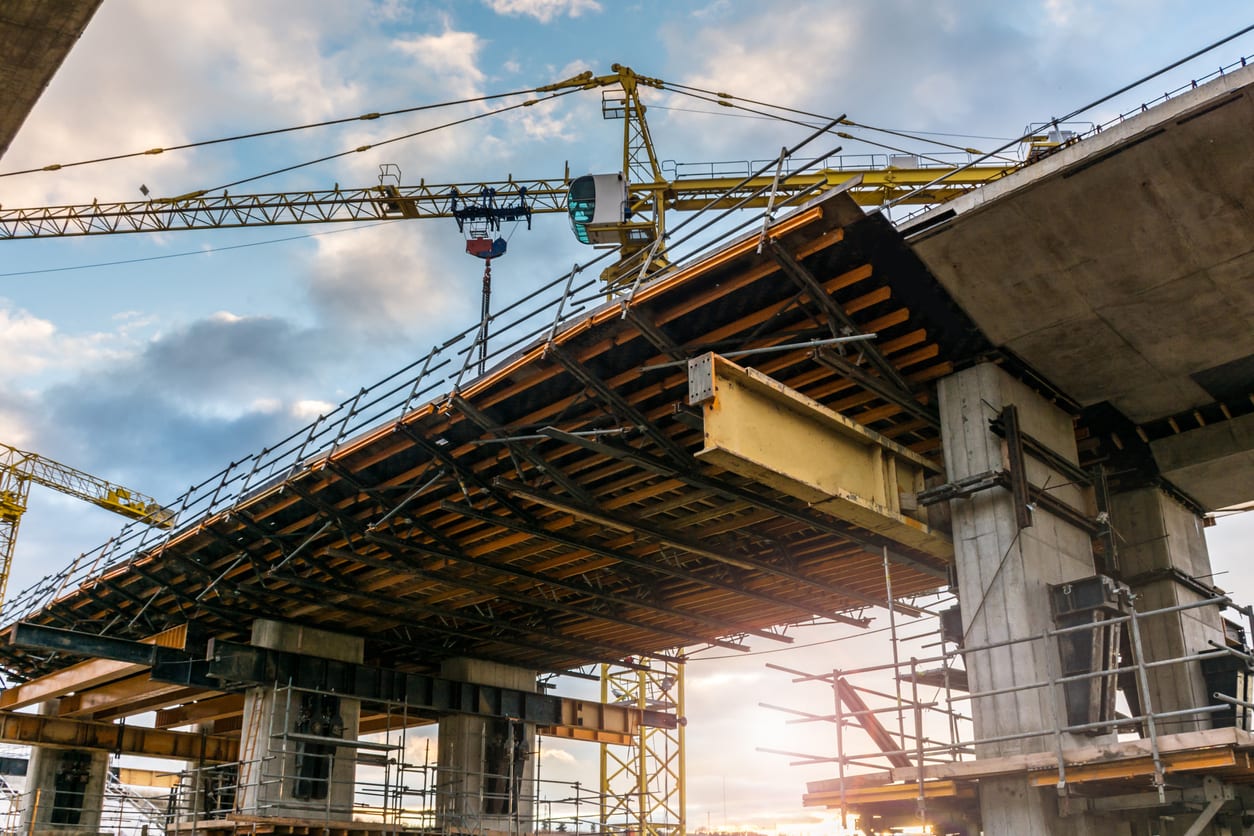
Furthermore, developments in materials and technology are constantly improving earthquake-resistant design. Modern structural engineering increasingly utilizes innovations such as high-strength materials, computational modeling, and real-time monitoring systems. These tools enable engineers to design more effective and adjustable designs, ensuring that buildings can endure future seismic events. As climate change and urbanization heighten the risks connected to natural disasters, the necessity of earthquake-resistant design will only grow, making it an critical focus for the engineering community and society as a whole.
Advancements in Building Engineering
New advancements in civil engineering are shaping the future of construction design and building. One key advancement is the use of high-performance resources such as ultra-high-performance concrete and FRP. These resources provide enhanced durability and longevity while reducing mass, allowing designers to create more lightweight and more durable structures. Additionally, eco-friendly construction methods are being incorporated into designs, utilizing sustainable resources and energy-saving technologies, thus encouraging environmental awareness in development.
Another significant advancement is the increasing reliance on advanced computing techniques and software tools. Tools like BIM allow designers to create accurate 3D models of structures, enabling enhanced visualization and detection of potential issues early in the design phase. Simulation programs also helps architects assess how projects react to multiple stresses and influences, improving reliability and effectiveness. These tools streamline collaboration between designers, architects, and workforces, leading to more unified project outcomes.
Lastly, the adoption of advanced technology in civil engineering is transforming how structures are monitored and maintained. Devices embedded in buildings can provide real-time data on load, movement, and external influences. This data allows for preventative care and more immediate responses to potential problems, substantially enhancing the safety and longevity of structures. As these developments continue to mature, they will play a vital role in tackling the challenges posed by population increase and climate change, ensuring that new facilities are both sound and eco-friendly.