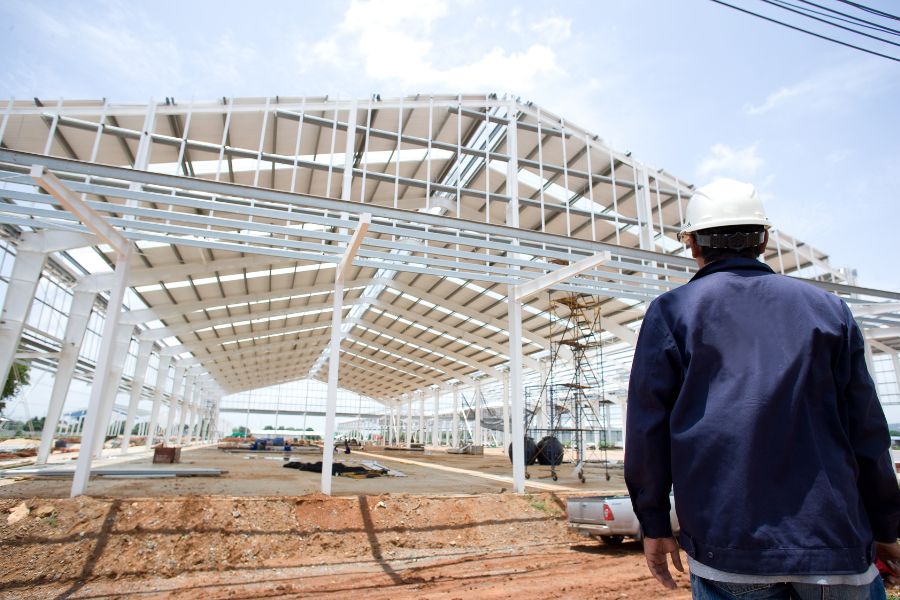
In the world of construction, the practice of harmony is essential to maintain the integrity and safety of constructed spaces. https://structuralengineersurrey.co.uk/ is the discipline concerned with the design and analysis of structures, allowing them to resist various loads and forces while serving their intended purpose. Starting with the impressive skyscrapers located in vibrant cities and the bridges that join communities, structural design experts are the unsung heroes responsible for modern infrastructure. They not only confirm the safety and operations of structures but also harmonize aesthetic appeal with functional design.
As we delve into the essentials of structural engineering, we will explore the importance in contemporary construction projects and the essential part that professionals in structural engineering have in realizing bold architectural dreams. We will discuss everything from the materials and techniques used to ensure load-bearing capability, to innovations that are transforming our urban landscapes. If you are a novice engineer eager to learn about the discipline or a construction professional wanting to enhance your insight, this resource will clarify the foundational concepts and methods that form the backbone of safe and sustainable structures.
Comprehending Engineering Design
Structural engineering is a crucial field within the field of civil design that focuses on the creation and evaluation of infrastructure that are able to effectively withstand forces. It involves the creation of buildings, bridges, towers, and other constructions, making sure that they are not only able to supporting the forces placed upon them but also resilient in the face of external factors like wind, earthquakes, and aging. At its core, structural engineering emphasizes the equilibrium between strength, functionality, and aesthetic value, making it an integral component in modern building.
Framework engineers play a significant role in the development phase, collaborating with architects and builders to design safe and durable structures. They apply their knowledge of materials, physics, and math to tackle complex design problems, ensuring that each component of a structure upholds the overall integrity. This joint approach aids convert forward-thinking architectural concepts into reality while maintaining adherence with safety standards and local construction codes.
In view of continuing advancements and evolving obstacles in the construction industry, the emphasis on sustainability has become progressively important within structural engineering. Engineers are now tasked with integrating green building practices that minimize environmental impact while enhancing performance. As we look towards the future of structural engineering, it is apparent that this field will persistently adapt, utilizing new technologies and methodologies to create structures that are both safe and durable but also environmentally responsible.
Key Responsibilities of Structural Engineers
Civil engineers play a crucial role in the design and erection of infrastructure and infrastructure. One of their primary responsibilities is to create reliable and functional load-bearing frameworks. This involves calculating loads and stresses that components must support, ranging from the weight of the materials themselves to outside forces such as wind and seismic activity. By comprehending these factors, engineers can determine the appropriate size and materials for beams, pillars, and foundations.
In collaboration with designers, structural engineers make certain that the artistic vision of a project aligns with security and practicality. They examine and develop structural elements that not only reinforce the structure but also complement its look. This team effort secures that facilities and other structures are both aesthetically pleasing and mechanically sound, which is essential in current construction where development trends are continuously developing.
Another important responsibility of structural engineers is to address environmental impact in their designs. They strive to incorporate green building practices by picking green materials and optimizing designs for energy efficiency. This focus on sustainability not only reduces the ecological impact of construction projects but also meets the rising demand for ethical architectural practices in modern society. By staying aware about the latest innovations and technologies, structural engineers can apply solutions that promote lasting sustainability while preserving structural integrity.
Advancements and Future Trends in Structural Engineering
As the globe continues to change, so does the discipline of structural design. Advancements in materials and technology are transforming the way engineers approach planning and building. Advanced substances like fiber-reinforced polymers and self-healing concrete are being integrated into projects, offering improved durability and life span. These materials not only improve the structural performance but also support to sustainability, aligning with the growing demand for sustainable practices in construction.
Another crucial development is the use of electronic tools such as BIM and various simulation software that streamline the planning workflow. These technologies allow structural engineers to represent complex structures in three dimensions, making it easier to identify possible issues before construction begins. Furthermore, the adoption of artificial intelligence and machine learning is empowering designers to process vast amounts of information efficiently, leading to smarter planning decisions that enhance load distribution and increase safety.
Looking ahead, the emphasis on sustainability and adaptability in civil engineering is critical. As climate change poses new challenges, designers are developing strategies to create buildings and facilities that can withstand extreme climatic scenarios. Additionally, the movement for prefabricated construction methods is growing momentum, promising to minimize waste and building time. As these innovations continue to define the sector, structural engineers will play a crucial role in creating secure, eco-friendly, and resilient structures for the future.