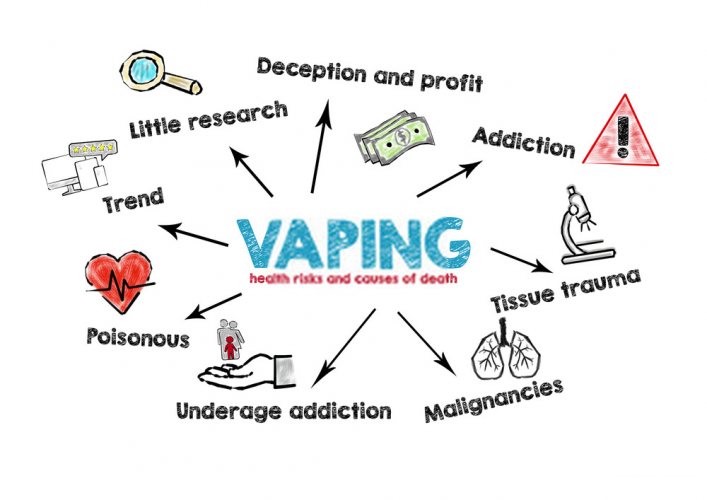
In recent years, e-cigarette use has emerged as a notable alternative for many mature smokers desiring to transition away from regular cigarettes. As a frequently talked about topic, vaping presents numerous advantages that contest the commonplace views on smoking. With many options available, many individuals are opting for vape pens and e-cigarettes, finding that they not only offer a satisfying experience but also deal with some of the health concerns associated with smoking tobacco.
Understanding the key differences between vaping and smoking is crucial for adult smokers who are considering this switch. From minimizing exposure to harmful chemicals to the lack of irritating smoke and lingering odors, vaping has fueled a new conversation around tobacco harm reduction. This article will delve into the potential benefits of vaping, examining the reasons behind its increasing popularity among smokers and discussing the implications it holds for public health.
Advantages of Vaping vs. Smoking
One of the primary advantages of vaping compared to smoking is the reduction of harmful substances. Traditional cigarettes contain thousands of harmful chemicals, many of which are known carcinogens. In comparison, vaping products typically have fewer harmful ingredients, mainly consisting of nicotine, flavorings, and a base of propylene glycol or glycerin. This notable decrease in toxic chemicals is why many health professionals view e-cigarettes as a less harmful alternative for grown-up tobacco users.
Another key benefit of vaping is the absence of combustion, which eliminates the persistent odors related to tobacco use. Tobacco users often find that cigarette smoke clings to their clothes, hairdos, and surroundings, creating an offensive atmosphere for the smoker and those nearby. Vaping, on the other hand, produces a steam that evaporates quickly and typically has a much more pleasant aroma, enhancing a more enjoyable experience for both the user and those in proximity.
Expense is also a crucial factor for many grown-ups considering the transition from tobacco use to vaping. While the upfront cost in a vaping device may be more expensive, the ongoing expenses of purchasing e-juices can be significantly reduced than the cost of buying tobacco products. Many tobacco users find that over the years, vaping can lead to considerable financial savings, making it a better value choice for those looking to maintain their nicotine consumption while lowering their overall expenditure.
Grasping E-Cigarette Techniques
Vaping technology has evolved considerably since its initiation, providing a variety of devices designed to augment the consumer interaction. At its foundation, vaping consists of warming a fluid, often referred to as vape juice, that includes nicotine content, flavorings, and other chemicals, to generate an aerosol that is inhaled. Different from traditional cigarettes that burn tobacco, vaping administers nicotine free from combustion, resulting in fewer harmful byproducts. This innovation in methods of delivery has led to a increase in the appeal of vaping for adult tobacco users looking for alternatives.
Contemporary vaping devices come in multiple forms, including vape pens, pod systems, and advanced mods. Each type provides different levels of customization and functionality, accommodating different preferences and levels of experience. Pod systems, for example, are user-friendly and discreet, making them ideal for new users or those in need of convenience. On the contrarily, advanced mods permit more experienced users to fine-tune wattage, temperature, and airflow, providing a custom vaping experience. This versatility is one of the causes adults choose to transition from traditional smoking to vaping.
In addition, the technology behind vaping continues to evolve with enhancements in battery life, heating elements, and coil designs, all of which contribute to a better overall encounter. Many devices now include innovations such as heat regulation and leak-proof designs, which boost safety and usability. As manufacturers keep to enhance their products, adult consumers are given an constantly growing array of choices that cater to their personal needs and preferences, establishing vaping as a persuasive alternative to traditional tobacco use.
Vaporizers and Community Health Consequences
The transition from tobacco use to e-cigarette usage carries substantial health consequences that are being actively studied and argued. By offering a reduced risk option to conventional smoking, the use of e-cigarettes can possibly reduce the overall burden of diseases linked to smoking. This change may lead to decreased hospital trips and medical expenses associated with diseases caused by tobacco smoke. Public health groups are researching how vaping can fit into wider tobacco harm reduction strategies, implying that it could play an crucial role in assisting smokers give up.
Another crucial consideration is the influence of vaping on community exposure to harmful chemicals. Compared to conventional cigarettes, vaping products generally produce lower levels of chemicals, which could lead to decreased secondhand smoke exposure for individuals not using tobacco. As societies become more informed of the variations between these methods of nicotine consumption, it may prompt a reassessment of smoking laws and policies aimed at ensuring the safety of health at large, ultimately transforming community views towards the use of nicotine.
However, the growing trend of vaping among youth raises worries about potential addiction to the addictive substance nicotine and chronic health impacts that remain to be fully understood. Ensuring that regulations evolve with developments in vaporization methods is crucial to minimize dangers, especially for youth. cali vapes interventions may need to concentrate teaching both users of tobacco seeking substitutes and young adults about the possible advantages and downsides, promoting a more knowledgeable discussion about the use of nicotine in the context of health at large.