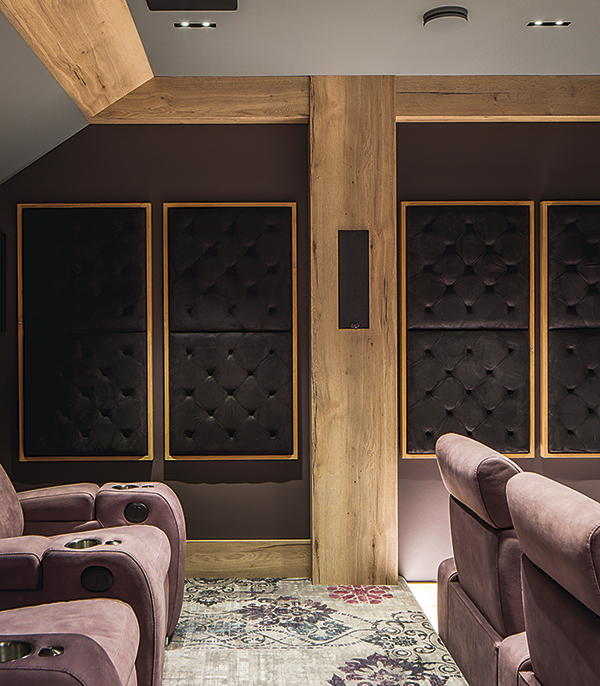
Recently, the home cinema experience has changed from a luxury enjoyed by a handful of individuals to a widely embraced activity embraced by many. With developments in technology and a growing variety of equipment options, setting up your ideal viewing area has never been more attainable. Whether you imagine a comfortable film room adorned with fabric screens and luxurious seating or a cutting-edge media center equipped with the latest projectors and immersive audio systems, the options are limitless. This guide intends to take you on the fascinating journey of setting up your home theater, providing insights and practical tips to help you design a setup tailored to your needs.
Embarking on the journey for an ideal home cinema involves multiple important choices, from selecting the appropriate display and sound system to thinking about the layout and illumination of your dedicated space. You might find yourself wondering whether to tackle the project as a DIY initiative or enlist professional help for a seamless installation. In this article, we will discuss all the essential information, including frequent pitfalls to avoid to avoid, the impact of design choices on your viewing experience, and how to ensure longevity for your setup. Prepare yourself to dive into the world of home theater and revolutionize your viewing area into a private haven for movies, gaming, and sports viewing like you've never experienced.
Professional vs. Do-It-Yourself Home Cinema Installation
When it comes to setting up a home cinema, one of the first decisions to make is whether to handle the installation on your own or engage a specialist. A DIY installation can be appealing for those who enjoy practical projects and want to cut costs. With numerous online resources and tutorials available, many homeowners feel confident in their ability to create and set up a home cinema system that meets their entertainment needs. However, this approach requires a considerable time investment, technical know-how, and a good understanding of acoustics, wiring, and equipment compatibility.
On the other hand, professional home cinema installation ensures that every component of your setup is fine-tuned for performance and functionality. Home Cinema Installation Harpenden Hertfordshire are well-versed in the most recent technologies and can provide insightful insights into the best equipment choices for your area. They also have the skills to manage complex wiring, calibration, and coordination of audio and visual components. This means less stress for you and a streamlined process that typically results in a higher-quality final product, especially if you desire a more sophisticated setup.
Ultimately, the decision between DIY and professional installation will depend on your budget, technical confidence, and the difficulty of the design you envision. If your goal is to build a truly immersive cinematic experience, investing in professional assistance may be the way to go. However, for enthusiasts willing to learn and explore, a DIY approach can also yield fulfilling results, allowing for personalized touches that reflect your individual taste and preferences.
Design and Configuration Factors
When designing your home cinema, one of the most important factors to take into account is the arrangement of the space. The optimal arrangement of chairs, screen, and audio elements can greatly influence the total viewing experience. Make sure that the seating is arranged in a way that all audience members have a clear line of sight to the display, and think about the use of tiered seating if space allows. This arrangement not only enhances visibility but also advances sound distribution throughout the space.
Lighting plays a crucial role in creating an engaging viewing experience. You should aim for a manageable lighting system that includes light-blocking curtains or shades to minimize external light interference. Dimmable lights can set the appropriate ambiance during viewing. Additionally, consider incorporating LED strips or wall sconces that enhance the room's design while providing sufficient illumination when needed without detracting from the cinematic experience.
Lastly, acoustics cannot be ignored in your home cinema design. The choice of materials, wall treatments, and flooring can all affect sound quality. Soft furnishings, such as carpets and drapes, can help absorb sound and prevent echo, creating a more enjoyable audio environment. You might also want to consider acoustic panels or bass traps to further enhance sound quality, ensuring that your home cinema provides an outstanding audio experience aligned with the visual spectacle.
Prices and Developments in Home Cinema Installation
The prices associated with domestic cinema installation can vary widely based on various elements, including the dimensions of the space, the standard of gear chosen, and if you select DIY or trained installation. On average, a simple setup can range from a couple of thousand dollars to well over ten thousand for more elaborate systems. Major components like video projectors, projection screens, and sound systems significantly impact the overall price. Additionally, installation challenges, including wiring and acoustic adjustments, can contribute to the final expense.
Developments in residential cinema installation continue to evolve, with intelligent home integration becoming progressively popular. Many property owners are now searching for systems that not only provide excellent audio-visual quality but also seamlessly connect with their intelligent home appliances. Attributes like voice commands, intelligent lighting, and mobile app integration are attractive features that enhance ease of use and practicality. Furthermore, as technology improves, the accessibility of premium compact equipment has made it easier for house owners to create impressive setups even in smaller spaces.
Another remarkable trend is the surge of experiential audio experiences, which has led to a concentration on multi-directional sound options and acoustic treatments tailored for optimal performance. House owners are becoming more knowledgeable of the significance of acoustic design in their cinema spaces, investing in resources that improve audio clarity. Additionally, as more people embrace gaming and streaming options, the desire for flexible setups that support multiple viewing formats is fueling innovation in installation techniques and devices choices.