

Obstructed drains can be a homeowner's biggest nightmare, causing frustrating disruptions and potentially expensive repairs. If it's the kitchen sink slowly emptying after washing utensils or the bathtub backing up during your morning routine, understanding the usual causes of clogs is essential for prevention and upkeep. From grease buildup to hair clogs, many factors contribute to persistent drain issues, but with a little know-how, you can handle them like a pro.
In this ultimate guide, we will discuss various aspects of clearing drains, including how to recognize early indicators, the best home remedies, and when it may be time to call in a professional plumber. You'll learn valuable hints for both DIY solutions and professional methods, along with the equipment that experts use to clear even the most stubborn clogs. By following this guide, you’ll be prepared to maintain your drains and avoid the troubles that come with frequent blockages.
Common Causes and Prevention of Clogged Drains
Blocked drains are often the result of a combination of causes that accumulate over period. One of the most frequent culprits is hair, especially in bathroom sinks and bathing areas. Hair strands can tangle around other debris, creating a blockage that can be difficult to remove. To prevent this problem, regularly use a strainer to catch hair and remove before it enters the pipes. Making sure that you give your drains a quick cleaning every few weeks can help hair buildup at a minimum.
An additional frequent cause of drain clogs is grease buildup, especially in kitchen drains. When you wash greasy pots and pans, the grease can harden within the drainage system, attracting food particles and causing major blockages. To prevent this, avoid pouring grease down the drain. Rather, let it harden and put it into the garbage. Running warm water through the drain after washing utensils can help keep fat flowing instead of adhesively binding to your pipes.
Finally, non-biodegradable items and debris are notorious for causing blockages. Things like detergent, food remnants, and even objects accidentally fallen down the drain can cause serious blockages. To reduce this chance, install screen filters to catch waste and educate families about what is acceptable and what is not be flushed away. Routine checking and maintenance of your drains can also help identify potential issues before they escalate into serious clogs.
DIY Methods vs. Expert Services
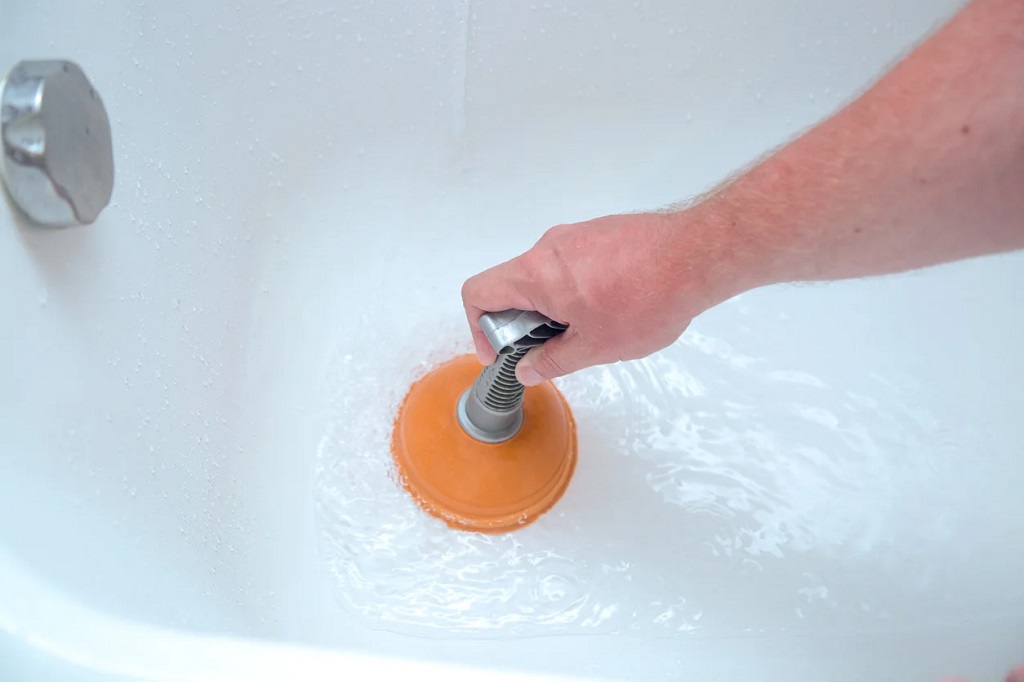
When dealing with clogged drains, many homeowners are frequently faced with the choice between Do-It-Yourself techniques and hiring experts. DIY approaches can be cost-effective and give you a sense of accomplishment. Simple solutions like using a plunger, vinegar and baking soda, or a snake can frequently clear small clogs. These techniques are often suitable for common clogs caused by hair, soap scum, and tiny food particles. Using these techniques can help conserve time and money, making them an appealing first line of defense.
However, not all drain issues can be resolved simply. When a clog is caused by severe problems such as roots from trees invading pipes or accumulated grease buildup, DIY methods may turn out to be ineffective. In these cases, expert services come equipped with specific tools and expertise that can address stubborn clogs. Techniques like hydro jetting and drain camera inspections allow experts to identify and resolve problems deep within your plumbing system, ensuring a more permanent solution.
Ultimately, the choice between DIY techniques and expert services depends on the seriousness of the blockage and your familiarity with plumbing tasks. For small clogs, Do-It-Yourself approaches can be extremely effective, while ongoing or severe blockages should necessitate a call to a professional plumber. Knowing when to seek Drain Unblocking Coniston Cumbria can save you time, effort, and potentially prevent further damage to your plumbing system.
Maintenance Recommendations for Long-Term Wastewater Condition
Consistent upkeep is essential to maintaining that your pipes hold in excellent health for years. One helpful approach is to perform a thorough check of your drains at least double a year. Look for signs of deterioration, drips, or unusual stains. In addition, make it a habit flush your drains with heated liquid once a month. This assists dissolving grease and food waste particles that can build up and lead to clogs over the years.
Utilizing shower guards or mesh is another simple yet effective way to maintain drain health. These tools trap hair, food waste, and other materials before they have a way to go into your drains and create clogs. Ensure that you clean these devices regularly to ensure the liquid draining freely. Moreover, teach your household about what is allowed to and shouldn’t go into the pipes. This can substantially minimize the chances of clogs happening.
Finally, think about scheduling professional checks and services every couple of years or so. A service technician can utilize devices such as video inspection tools to examine the condition of your pipes and detect any likely problems before they become costly problems. Coupled with your consistent maintenance tasks, expert assistance can help extending the longevity of your pipes and maintain them operating effectively.