

Picking suitable truck tires best for your semi-truck is vital to ensuring safety, efficiency, and longevity on the road. Considering different loads and changing routes, the tires can fluctuate significantly depending on what cargo being carried. If you are transporting heavy equipment, perishable goods, or construction materials, understanding the nuances of tire selection can result in a remarkable difference in performance and cost-effectiveness.
In this article, we will explore how to select the best tires for the semi-truck based on your specific freight and routes. Starting with looking at different tire types and brands to noting the signs that indicate it’s time for an replacement, we will provide valuable insights to help fleet managers and truck drivers take informed decisions. Additionally, we will delve into the impact of tire choice on fuel efficiency, safety, and maintenance, making sure that your operation runs well and economically.
Choosing Tires to Fit Freight and Routes
Deciding on the best tyres for truck starts with comprehending the type of load you will be shipping. Various kinds of loads demand varied tyre standards. For example, when you are hauling heavy freight, you'll need tyres that can handle increased load capacity and deliver enhanced resilience. On the other hand, if your cargo is less heavy and less dense, you may focus on enhancing gas economy through low rolling friction tyres, which can help cut spending over long trips.
Similarly important is the consideration of your typical routes. If you primarily drive on expressways, tires designed for long-distance travel will provide enhanced efficiency, delivering smoother rides and prolonged tire longevity. On the flip side, when your paths include difficult or rough terrain, it’s necessary to pick tyres with suitable tread patterns that can manage diverse situations while providing adequate holding power. Knowing the road conditions you'll often encounter can considerably impact your tyre decision.
In conclusion, don’t overlook to consider the seasonal changes that may impact your driving paths. For View website , when you work in zones that experience extreme cold climates, outfitting your semi-truck with cold weather tyres can boost traction and control in slick or whiteout weather. Year-round tires may be appropriate for milder climates, but they may not offer the same level of protection and effectiveness in severe weather. Tailoring your tires to both your cargo and paths is vital for ensuring reliable and efficient operations.
Tire Management & Management
Routine tire maintenance stands essential for guaranteeing the well-being and effectiveness of your semi-truck. Proper tire filling stands out as a key the most important factors. Insufficiently inflated tires might result in increased wear and tear, reduced fuel efficiency, and higher risk of explosions. It is essential to examine the tire inflation regularly, with a quality gauge, to verify that it aligns with the manufacturer's specifications, especially before long-distance travel or following driving over difficult terrain. Furthermore, make sure to examine the tread depth as well as overall condition of the tires to identify any issues early.
A further vital component of tire management is rotation. How often should you switch semi-truck tires? Generally, tires should be rotated every 5,000 to 8,000 miles, however the rate may change based on how they are used and wear trends. Changing the tires assists promote even wear across all tires, prolonging their life and reducing the risk of uneven wear, which can lead to high-priced replacements. Regular inspections and rotations allow you to notice signs that it’s for changing your semi-truck tires, guaranteeing you keep a secure plus effective fleet.
Additionally, keeping accurate records of tire maintenance is beneficial for fleet oversight. Documenting tire inflation checks, rotations, replacements, and all issues encountered offers important insights into the functionality of your tires. This record enables you track how tire selections impact your semi-truck’s fuel efficiency in the future and aids in making informed judgments about getting new tires or retreads. Efficient tire management enhances safety but also helps in reduce operational expenses, finally contributing to the success of your trucking operation.
Evaluating Tyre Performance Metrics and Technology
When selecting tyres for your semi-truck, it is crucial to evaluate their capabilities and the innovation behind them. Tire capabilities can significantly affect your rig's handling, grip, and overall security. Key elements to consider are tread pattern, rubber composition, and the particular attributes that enhance endurance and performance under multiple load conditions. Cutting-edge manufacturing techniques have led to developments such as improved tread patterns that improve grip on both wet and dry surfaces, which can be especially beneficial for different cargo types and weather conditions.
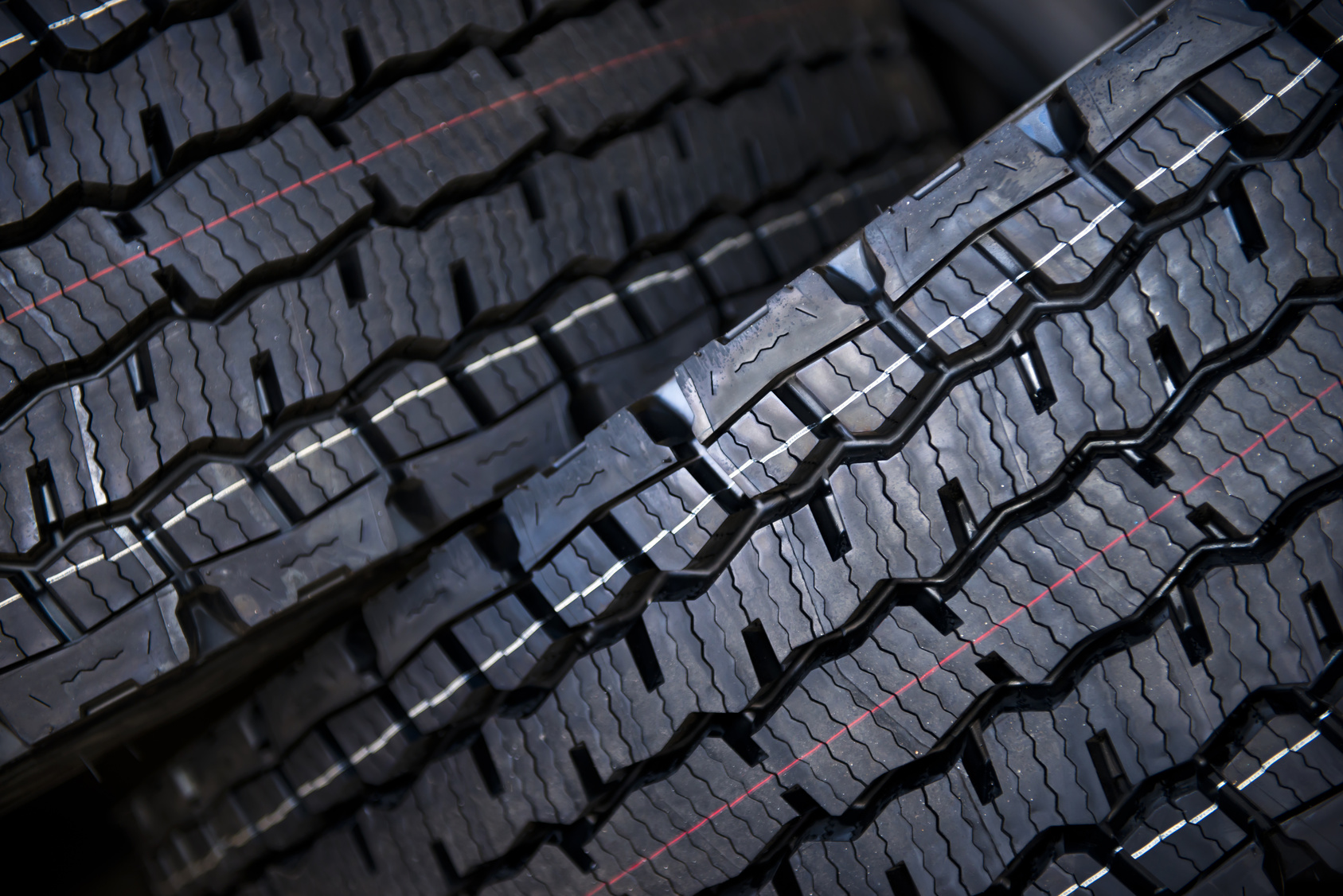
Technology plays an ever more important role in tire management and safety. Smart tires fitted with Tire Pressure Monitoring Systems (TPMS) provide immediate data on tire health, helping operators monitor pressure and temperature to prevent blowouts and ensure optimal performance. Additionally, newer tire advancements often feature improved rolling resistance, which can aid in fuel economy—a key aspect for long-haul operations. By leveraging such innovations, fleet managers can make educated decisions on tire choice based on their business needs.
Finally, assessing the effectiveness of tire brands and models is important for ensuring sustained value. Researching actual feedback from other truck operators can provide understanding into the lifespan and dependability of specific tires when hauling heavy loads or navigating difficult road conditions. Understanding the latest developments in tire innovation and how they correspond to your semi-truck's specifications will help you pick tires that not only meet legal standards but also enhance your fleet's productivity and safety on the road.