

Within the transportation sector, the significance of tire maintenance often takes on a secondary role to different pressing concerns such as gas costs and route. Nonetheless, the condition of your semi-truck's wheels can considerably impact both safety and your bottom line. Under-inflated or worn-out tires not only jeopardize the security of the driver but can also lead to increased fuel consumption, costly repairs, and even highway accidents. Grasping how tire pressure, choice, and maintenance play a vital role in overall vehicle operation can save you cash and time.
Selecting the appropriate wheels and keeping them properly pumped is not just a maintenance activity; it's an investment opportunity in your vehicle fleet's performance and performance. From rising fuel costs to changing DOT regulations, every element of tyre management warrants careful consideration. In this article, we'll discuss important elements that contribute to tire performance and longevity, providing knowledge into how you can optimize your semi-truck wheels for enhanced operational efficiency.
Selecting the Best Tyres for Your Semi-Truck
Selecting the ideal tires for your semi-truck is crucial to ensuring maximum performance and safety on the road. The style of tire you select should correspond with your specific hauling needs, including the mass of your cargo, the usual distances you cover, and the kinds of roads you frequently encounter. For example, if you frequently drive on highways with long distances, a tire designed for fuel efficiency and durability would be suitable. Conversely, if your routes include off-road conditions, you may need dedicated tires that can handle more challenging terrains.
Another key factor in choosing tires is knowing the distinctions between steer and drive tires. Steer tires, which are located at the front of the truck, must provide outstanding handling and cornering stability, while drive tires, found on the rear axles, are designed to support the vehicle's weight and provide traction. It's critical to pair the tire type with its intended location on the truck to maximize performance and safety. Always refer to tire specifications to ensure the correct fit for your vehicle.
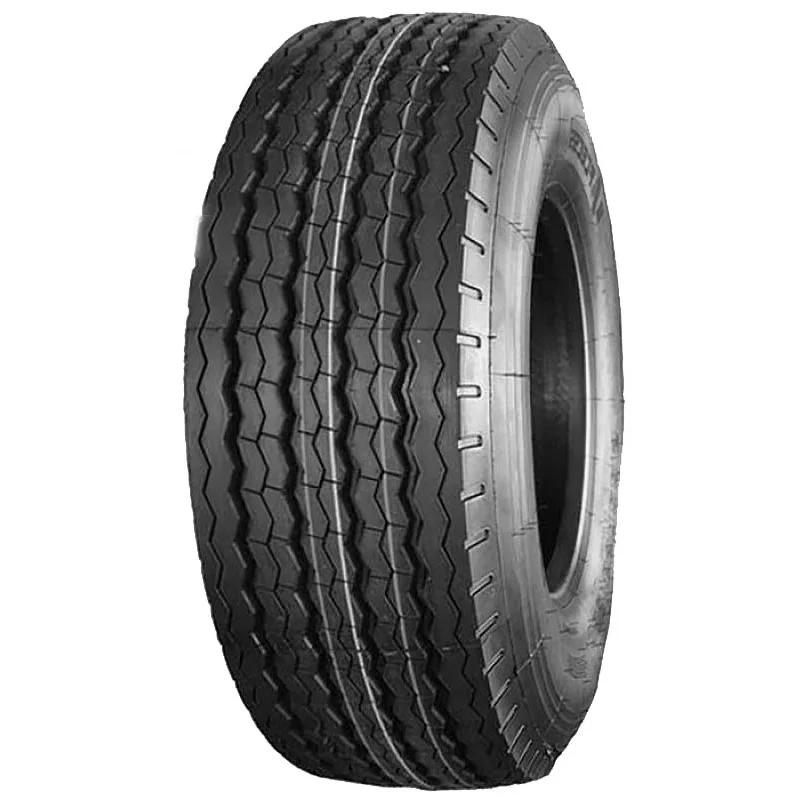
Lastly, paying an eye on the brand reputation and customer feedback can greatly impact your decision. Some tire brands are known for their longevity and performance, particularly under heavy loads, while others may offer features tailored for specific driving conditions. Investing time in researching the top tire brands on the market for long-haul trucking can cut you money in the long run, as quality tires tend to have lower maintenance costs and greater reliability during transit.
Tyre Maintenance and Protection Practices
Proper upkeep of semi-truck wheels is essential for ensuring safety on the road and maximizing operating costs. Consistently checking tire inflation, tread depth, and overall condition can prevent blowouts and enhance performance. It is advisable to test tire pressure before each trip and modify it based on the manufacturer's recommendations. Keeping the correct tire pressure not only ensures security but also boosts fuel efficiency, directly impacting the bottom line.
Moreover, tire rotation should not be overlooked. Rotating semi-truck tires every five thousand to eight thousand miles helps promote even wear, extending the life of the tires significantly. This practice is important for maintaining traction and control, especially when carrying cargo heavily or during adverse weather situations. Alongside rotation, alignment and balancing should also be consistently checked to further ensure peak tire performance and safety.
Fleet managers should create a systematic maintenance schedule that includes thorough inspections and documentation. bulk buy semi-truck tires on how to carry out pre-trip tire checks can boost safety considerably. Using tools such as tire pressure tracking systems (TPMS) can aid in maintaining proper pressure and alerting drivers to potential problems. By prioritizing tire maintenance and safety practices, companies can reduce unexpected costs and improve overall fleet dependability.
Impact of Tire Selection on Operational Costs
Opting for the appropriate tires for your semi-truck has a immediate impact on operational costs, especially through fuel efficiency and maintenance expenditures. Choosing tires particularly designed for the type of freight and terrain can yield significant financial benefits. For example, tires with minimal rolling resistance enhance fuel efficiency, which translates to lower fuel costs over long hauls. Investing in high-quality tires from established brands may incur a greater initial cost, but the long-term savings in fuel and maintenance can make it a valuable expenditure.
Tire performance also plays a crucial role in preventing expensive breakdowns and downtime. Tires that are optimized for specific loads and driving conditions help minimize the risk of blowouts and uneven wear, which can lead to frequent replacements. By comprehending tire load ratings and maintaining proper inflation, fleets can extend tire life and decrease the frequency of replacements. This not only saves money but also boosts operational efficiency by keeping trucks on the road longer.
Lastly, fleet managers should take into account the environmental impact of their tire selection, as eco-friendly options can contribute to lowered operational costs and enhance company image. Selecting all-season tires for versatile usage, or retread options for budget efficiency, can align with sustainability goals while maximizing expenses. The proper combination of tire choice and maintenance practices reinforces the bottom line, demonstrating how strategic decisions in tire management are key for long-term profitability.