

Determining an appropriate tree surgeon can seem as if a daunting task, particularly when the health and safety of your trees are at stake. Trees not just enhance the beauty of your property and they also play a crucial role in the environment. Nevertheless, maintaining their health and safety can occasionally require the expertise of a professional. Understanding what services tree surgeons deliver and knowing when to call them is key to keeping your trees in top condition.
In this guide, we will examine the important factors to keep in mind when hiring a tree surgeon for your needs. From recognizing the signs that your tree requires professional attention to understanding the costs associated with tree removal, we aim to provide you with the knowledge necessary to make an informed decision. We will also look into the various services tree surgeons provide, including tree pruning, emergency tree services, and stump removal. By the end of this guide, you will be fully equipped to choose a qualified professional who can help you maintain the health and safety of your trees while enhancing the beauty of your outdoor space.
Signs Your Tree Requires Help
Determining when a tree needs professional attention is vital for the well-being of your landscape. One of the primary indicators is the existence of dying limbs. If you notice that a significant number of branches have little leaves or the bark is flaking, this can be a sign that your tree is not healthy and may need care. Additionally, if you observe any holes in the trunk or signs of wood-boring insects, it's sensible to consult a tree surgeon.
One more critical sign is the color and overall appearance of the leaves. Healthy trees generally have rich green leaves. If you notice color changes or yellowing, this can indicate stress from pests, illness, or environment conditions. Moreover, wilting leaves or early leaf drop can indicate that the tree is having difficulty. Keep an eye out for these indicators throughout the growing season, as they can signal underlying issues.
Lastly, assessing the stability of the tree itself is vital. If a tree leans unusually or shows signs of root damage or ground erosion around its base, it could pose a safety risk. Trees that are poorly firmly anchored could potentially fall during storms, leading to property damage or injury. If you believe that your tree is in trouble or poses a risk, it is advisable to seek expert evaluation and, if necessary, intervention by a qualified tree surgeon.
Choosing a Tree Surgeon
When selecting a tree surgeon, it's essential to consider the qualifications and certifications. Seek out professionals who are certified by recognized organizations, such as the ISA. These credentials indicate that the tree surgeon has undergone training and complies with industry standards for safety and tree care practices. Additionally, having insurance is crucial; ensure that the tree surgeon has liability insurance to shield you from any potential accidents that may occur during the work.
Reputation and experience also have a significant role in your decision. Look for reviews and testimonials from previous clients to assess their satisfaction with the tree surgeon's services. If https://corktreeservices.com/ can, ask for recommendations from trusted individuals who have had favorable experiences. An experienced tree surgeon will have encountered different tree issues and treatments, giving them the knowledge needed to manage your specific situation effectively.
Ultimately, communication is key when choosing a tree surgeon. A reputable professional should be willing to answer your questions honestly and provide comprehensive information on services and methods. It is crucial to be at ease discussing your tree concerns and to have confidence that the surgeon recognizes your needs. Take the time to have consultations with a few multiple surgeons to assess their expertise and capability to communicate effectively before making your ultimate choice.
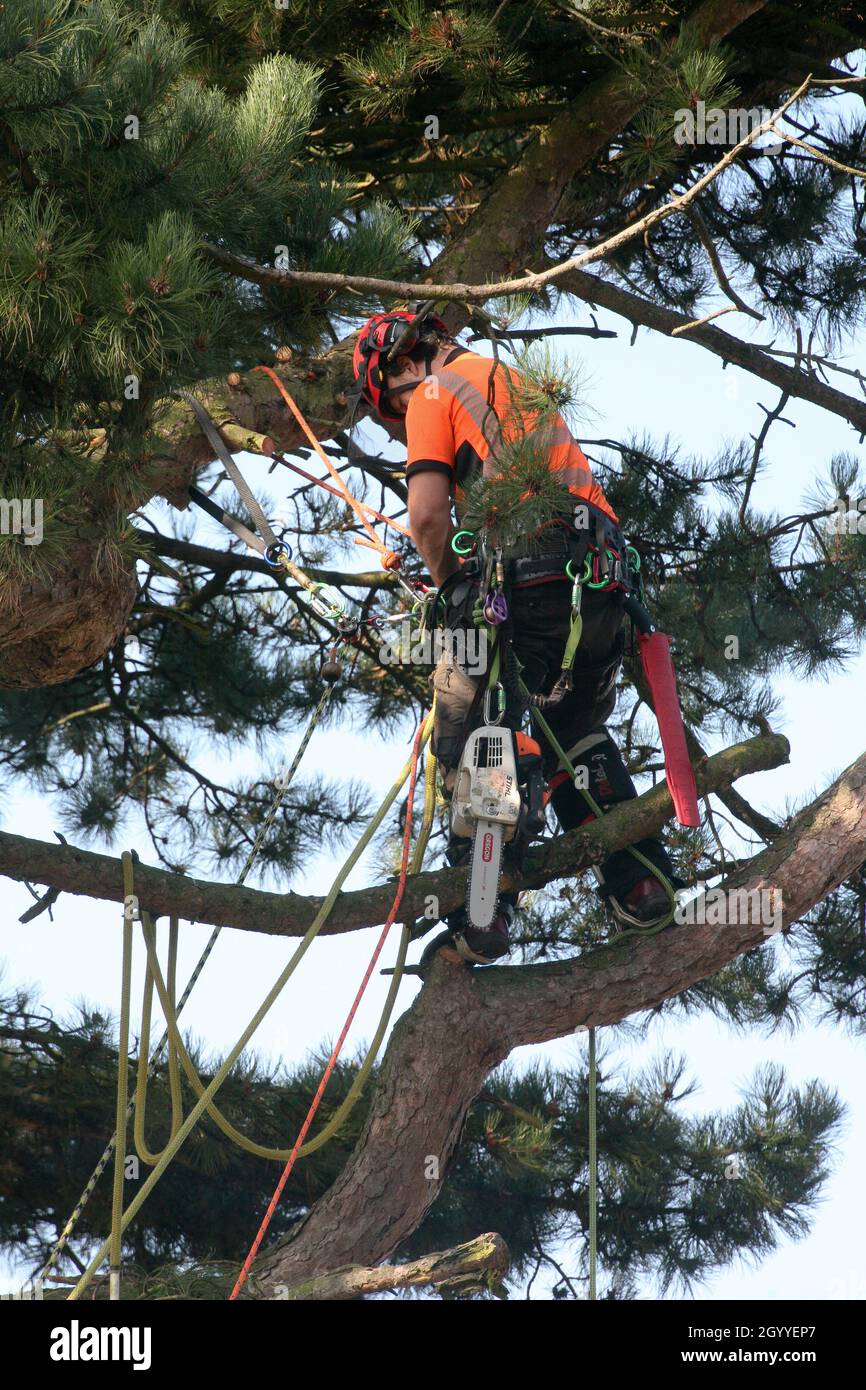
Tree Maintenance Tips
Maintaining the well-being of your trees is important for their durability and the protection of your land. Regular check-ups are vital to identify early clues of disease or damage. Watch for any odd discoloration, dead boughs, or leaf shed, which may show that your plant needs skilled assistance. Maintaining a close monitor on your plants, particularly after bad weather or severe weather, can enable you handle potential concerns before they escalate.
Proper watering and mulching are important for tree health, notably during hot and arid weather. Confirm young trees receive sufficient moisture, particularly during their initial first several years. Applying mulch around the base of the tree can help hold soil humidity and reduce weed growth, but do not stacking mulch directly against the stem. This simple step promotes healthy growth and safeguards the plant from bugs and diseases.
Finally, regular trimming is critical for upholding both condition and aesthetics. Understanding the distinctions between plant trimming and plant pruning will help you take informed choices about your arbors’ maintenance. Prune during the best season of year to avoid damaging the plant, and reflect on enlisting a expert when handling larger jobs. By applying these guidelines, you can experience the visual appeal and positives of vital arbors in your landscape for years to come.